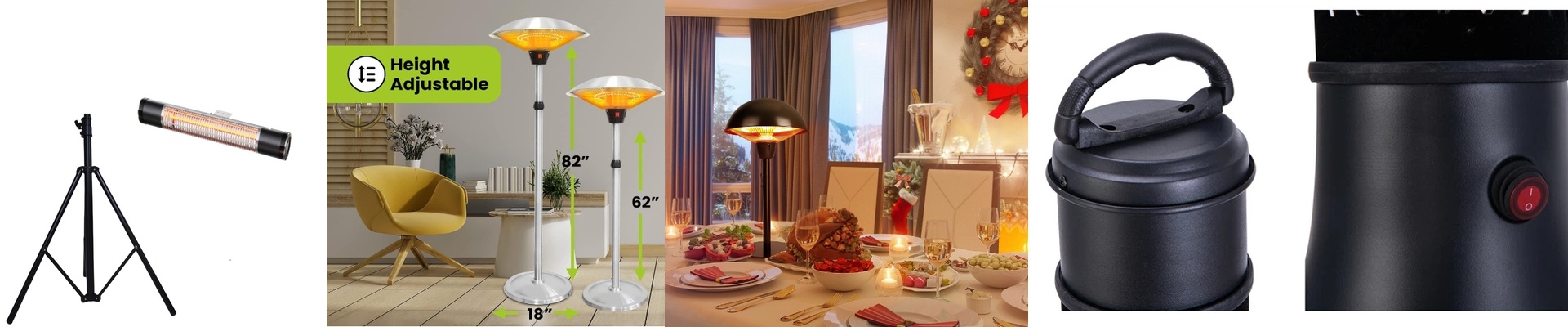
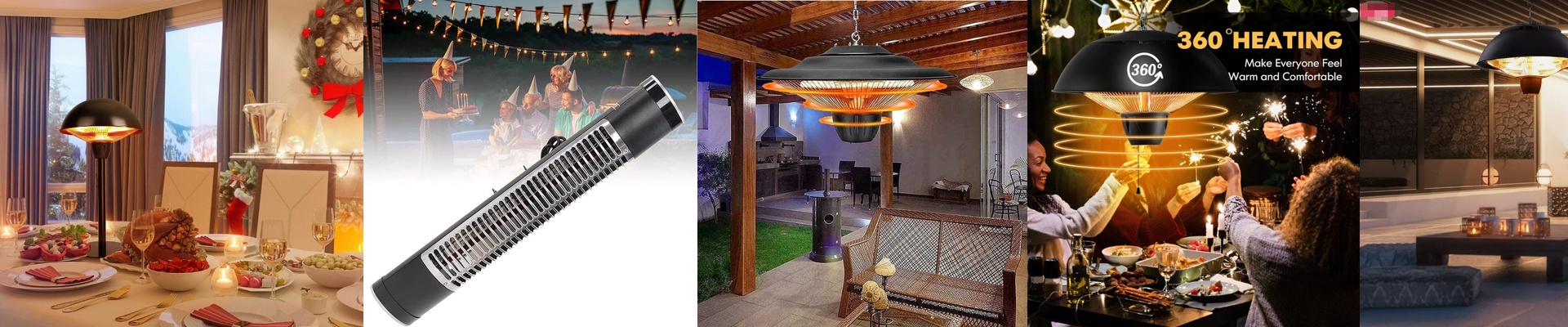
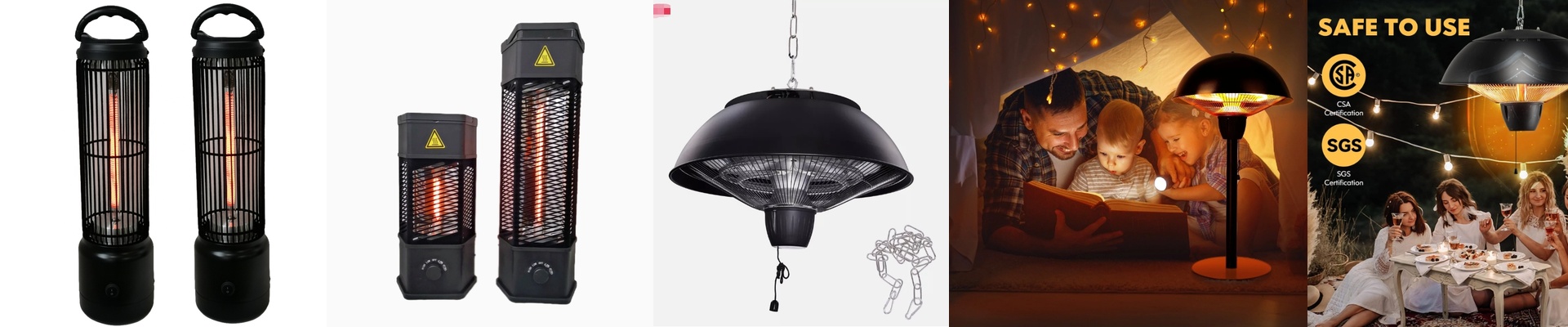
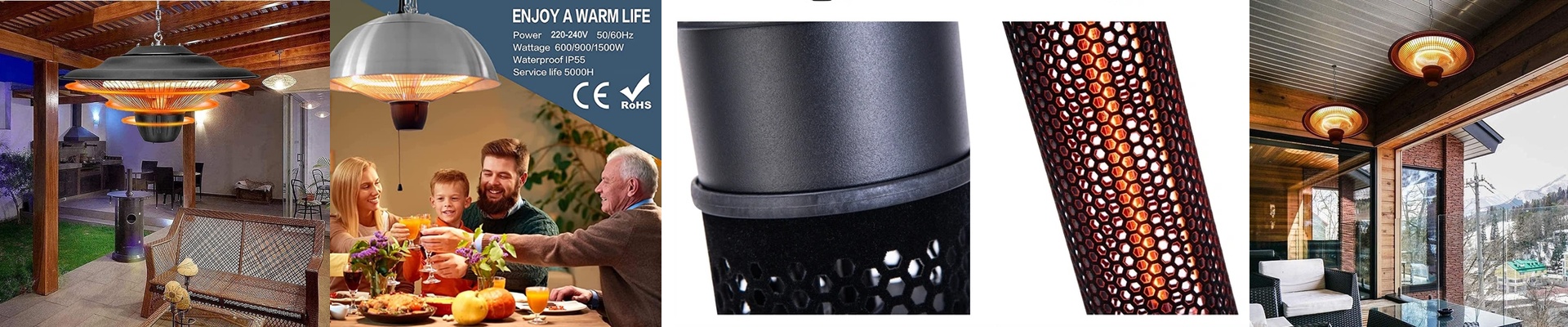
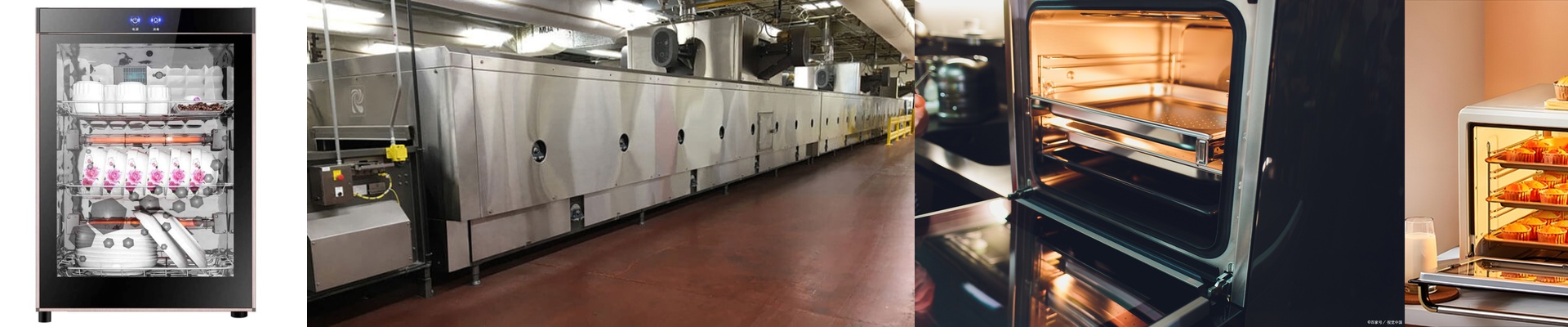
When service is packed and tickets are stacking up, there’s no room for uneven heat or slow recovery. In a commercial kitchen, a disinfection cabinet that also holds and finishes food has to earn its keep. If the heating element can’t bring product up to holding temperature fast—without drying out the crust or killing the color—your pass bogs down, and the food suffers. We built our halogen thermal elements for these cabinets to hit that mark: quick, controllable heat that respects texture, color, and moisture, while still meeting sanitation requirements.
What matters under the hood
Halogen elements deliver heat via short-wave infrared radiation. The filament sits inside a quartz envelope, and the energy goes straight into the load with minimal heating of the surrounding air. That’s the difference that gives you fast response and tight control—both of which directly shape food quality.
- Fast start-up: The element hits operating temperature in seconds, not minutes. You open the door, load fresh product, and the heat is there immediately.
- Even radiant coverage: The element geometry and reflector layout spread the energy across the trays. No hot spots. No cold corners.
- Targeted output: Short-wave infrared penetrates the surface quickly, then the retained heat finishes the bake from the outside in. You get a cleanly set crust and a supple interior crumb.
- Temperature stability: Paired with a responsive thermostat, the element holds setpoint without big swings. Caramelization stays predictable, and browning is consistent tray to tray.
- Clean, dry operation: Because the heat is radiant, you avoid the heavy convective airflow that can strip moisture from delicate items. Holding becomes gentler. In practice, that means shorter holding cycles at stable temperatures—good for throughput and good for food integrity. The specs that make it happen are straightforward: high-purity quartz tubes, solid filament supports, and terminals built for commercial duty cycles. We size elements to match the cabinet volume and typical load density, so the heat fits the workload instead of fighting it.
Why this fits a disinfection cabinet
A disinfection cabinet has to pull double duty: keep sanitation protocols and keep food ready for service. If the thermal system is sluggish, you either stretch holding time—and lose moisture—or you risk temperature dips that compromise safety and quality. Halogen elements cut that cycle time while keeping temperatures steady. You taste the difference on the plate. Breads and pastries stay crisp outside without turning leathery. Pizzas keep a clean char on the crust while the cheese stays elastic. Finished proteins keep sheen and juiciness instead of drying out under prolonged heat. Evenness matters because inconsistency forces you to overcook some items just to make sure others are safe, and that’s where quality falls apart. The workflow payoff is just as direct. Fast recovery means you can batch-hold without fear of temperature drop every time the door opens. That keeps the pass moving during the rush. Energy use drops, too, because you’re not running long preheat cycles or holding at unnecessarily high temps to compensate for a slow element. Fewer swings, fewer over-bakes, fewer wasted trays.
The practical details
Halogen thermal elements do their best work when the cabinet is matched to the element and the load profile is treated right.
- Line of sight matters: Radiant heat only works when the energy reaches the product. Keep trays spaced properly and don’t stack items so high that the top layer shields the bottom.
- Installation compatibility: These elements need mounting hardware, reflectors, and terminal connections built for commercial heat and vibration. Retrofitting an older cabinet usually means a quick check of mounting dimensions and electrical specs.
- Mind thermal shock: Quartz handles high heat, but sudden changes—like dousing a hot tube with cold water—can shorten service life. Wipe down with a damp cloth only after the element has cooled.
- Keep it clean: Grease and baking residue on the tube surface can create hot spots and reduce output. A regular cleaning schedule keeps output steady and extends life. If your disinfection cabinet has to protect food safety and deliver consistent texture and color, the thermal element can’t just get hot. It has to get hot fast, hold steady, and treat the food with respect. Halogen radiant heat does exactly that, and you see it on every tray that comes out.