

Stepping onto a cold train platform or trying to enjoy an outdoor coffee when the air has a bite—nobody signs up for that. In busy commercial spots and transit hubs, waiting around for warm air to finally circulate is a losing game. People want heat, and they want it fast—without the drafts, noise, or bulk that comes with older heaters.
What actually matters, technically
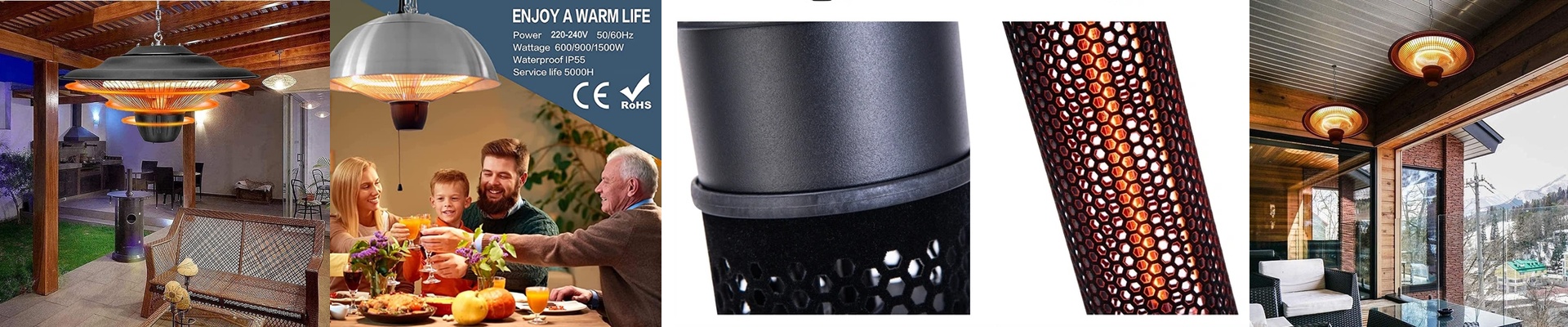
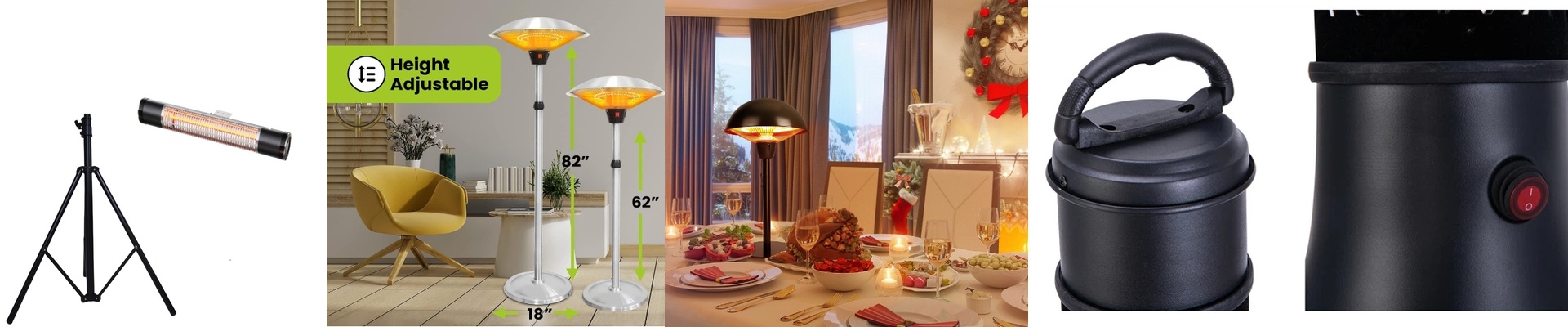
Infrared heaters work the way the sun does—radiant heat that travels in straight lines and warms people and surfaces directly. We lean on carbon fiber or quartz elements that emit in the short- to medium-wave range, giving you a soft, even glow and a comfort zone that feels consistent. A typical 1,500 W unit will plug into a standard outlet, come up to temperature in seconds, and cover roughly 10–15 m² with directional warmth. Throw in a built-in thermostat and tip-over protection, and you get heat you can control, with safety built in from the ground up.
Why this fits the real-world spots
Cafés, train stations, and covered outdoor queues have one simple demand: heat has to keep up. People arrive and leave in waves, and the space is drafty and exposed. Infrared heaters respond immediately—you feel the warmth the moment you step into the beam. Because the heat is directional, you can put units where people naturally pause: seating pods, ticket windows, entryways. No point heating empty air. That focus keeps energy use down during lulls and keeps comfort steady when things get busy, so lines move and customers stay comfortable.
The practical details you can’t skip
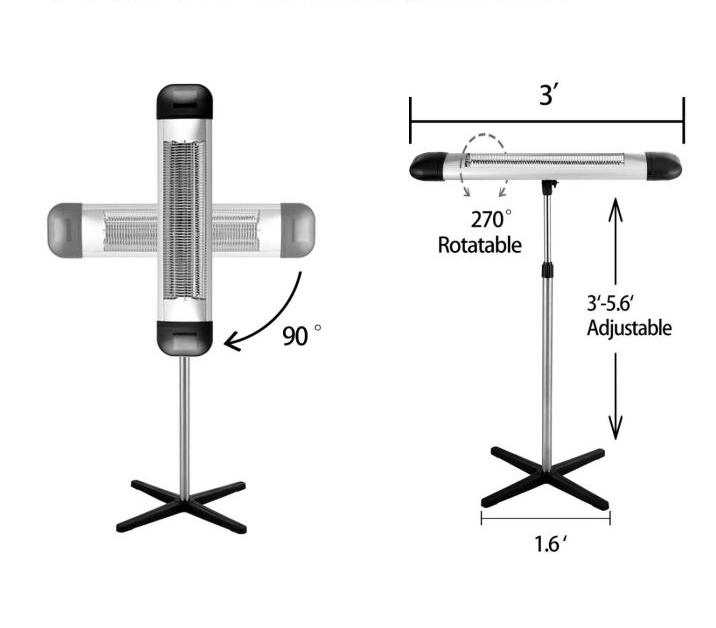
Infrared warmth is most effective when it has a clear line of sight to the people you’re trying to warm. Plan placement to avoid walls or heavy obstructions, and tweak the angles so seating areas and walkways get covered. Most units are rated for dry or protected outdoor use—check the IP rating for weather resistance—but they’re not meant for standing water or direct rain. For the best results, pair the heater with a low-ambient thermostat to hold comfort without overheating, and keep the element clean so output and lifespan stay where they should.