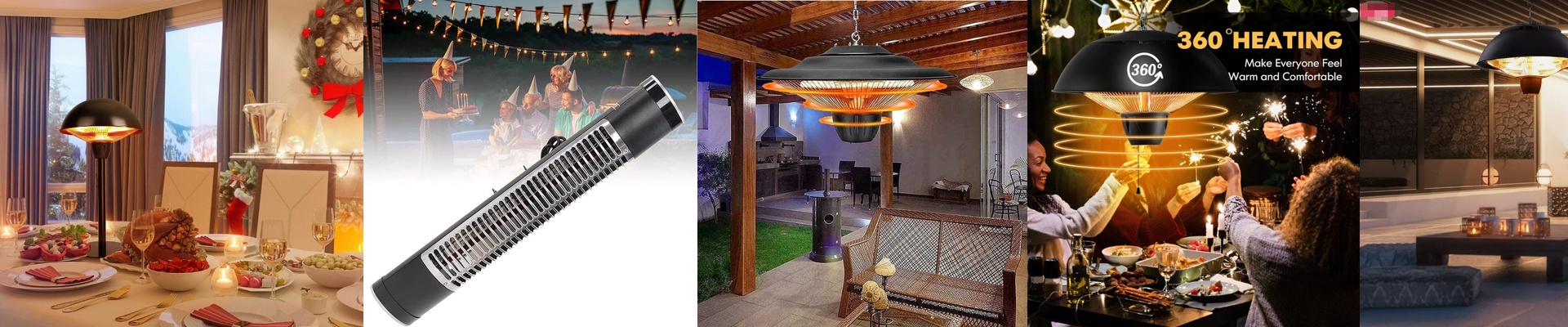
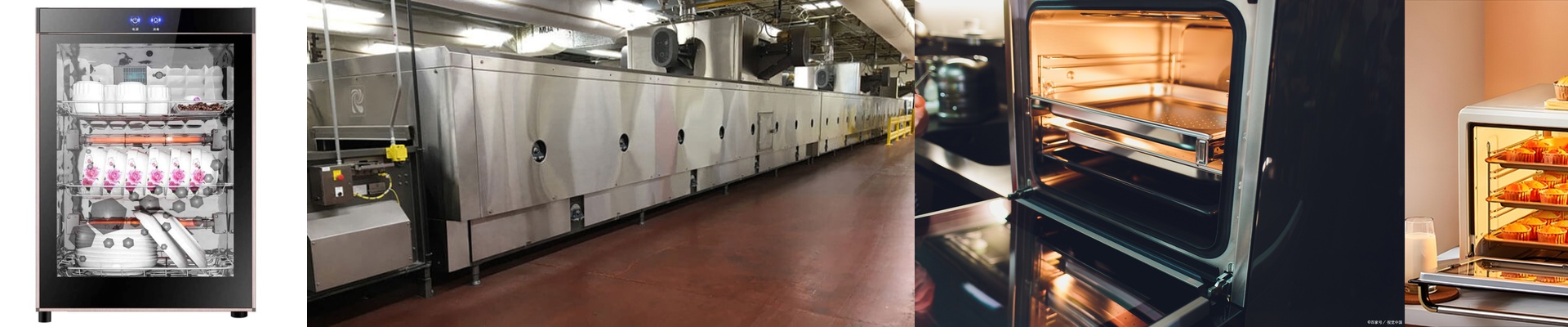
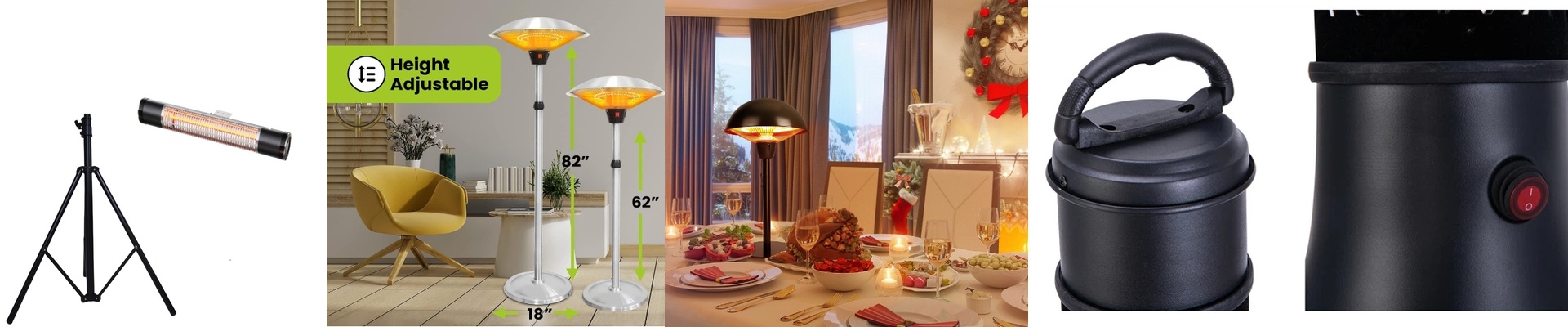
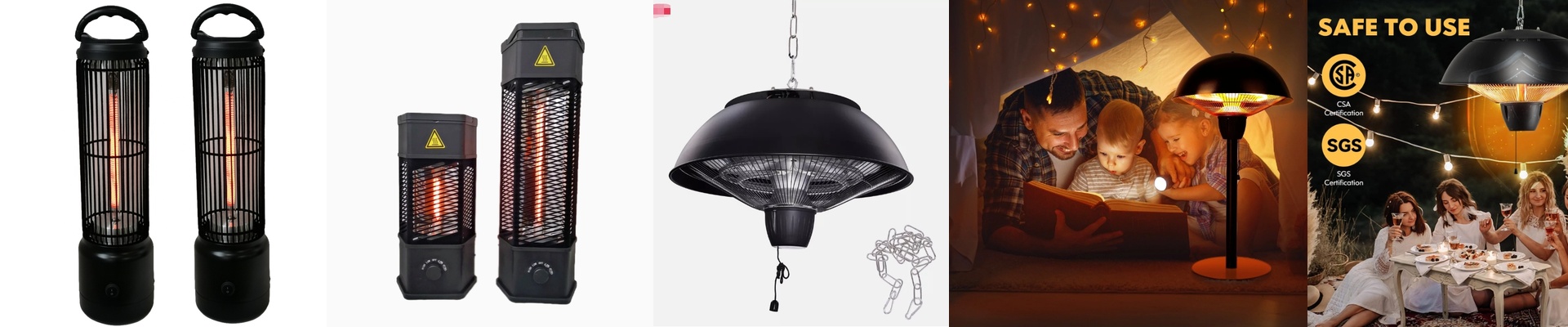
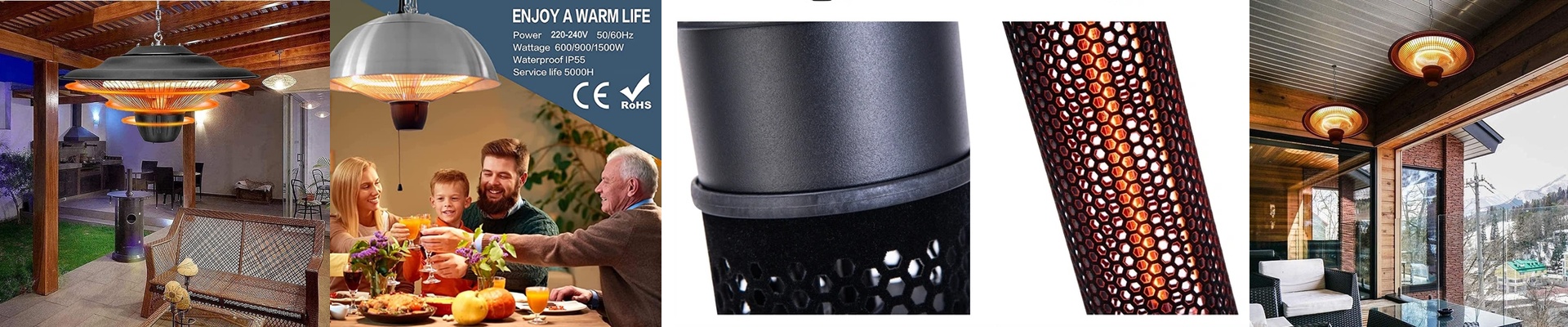
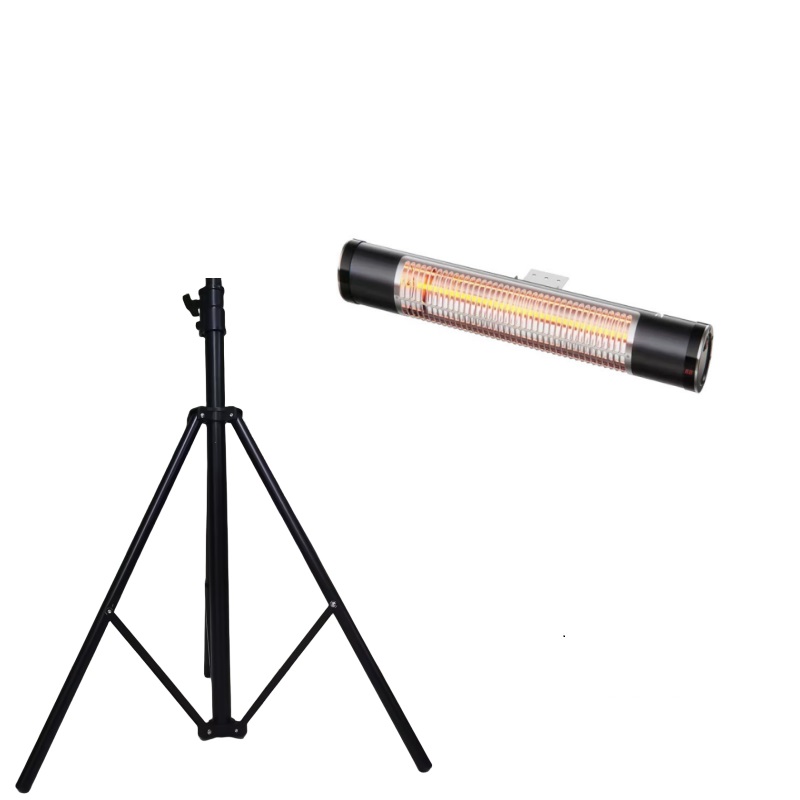
You know the feeling—a room that just won’t warm up, even with the heater running. Or worse, the heater blasts heat right in front of it, but your feet are still freezing a few feet away. It almost never comes down to brand. It comes down to matching power to the space. With infrared, you have to match output to the room’s exposure and how well it holds heat. What actually matters under the hood Halogen heater bulbs throw radiant warmth instantly. The quartz envelope and the halogen cycle keep the filament stable and the light output steady. Wattage is the spec that drives everything—it determines how much heat the bulb can deliver per hour. For quick, targeted comfort, we build bulbs that produce strong short-wave infrared. It travels straight to people and objects, not the air. So you feel warmth in seconds, and the heat doesn’t vanish the second the heater switches off. Why this makes sense in real rooms Room orientation changes the heating load. North-facing rooms run cooler because they get less solar gain. Big windows and drafty frames bleed heat. Undersize the bulb, and the space feels chilly while the heater runs nonstop. Oversize it, and you’ll overshoot comfort and waste energy. We size it in about a minute using room volume, insulation level, and exposure. In well-insulated spaces, you can often drop to a lower wattage and still get steady warmth. In drafty or exposed rooms, a properly matched higher wattage gets you comfortable fast. What you need to keep straight on the job Halogen bulbs run hot at the surface, so clearance to combustibles matters, and the fixture needs to be mounted securely. Most units run on standard household voltage, but it’s worth double-checking the socket type and whether the heater’s thermostat plays nice with your setup. For outdoor or damp areas, look for a unit with a proper IP rating to keep moisture out. Remember, radiant heat warms what it hits, so placement is half the battle—point it where you actually sit, and you’ll feel it right away.