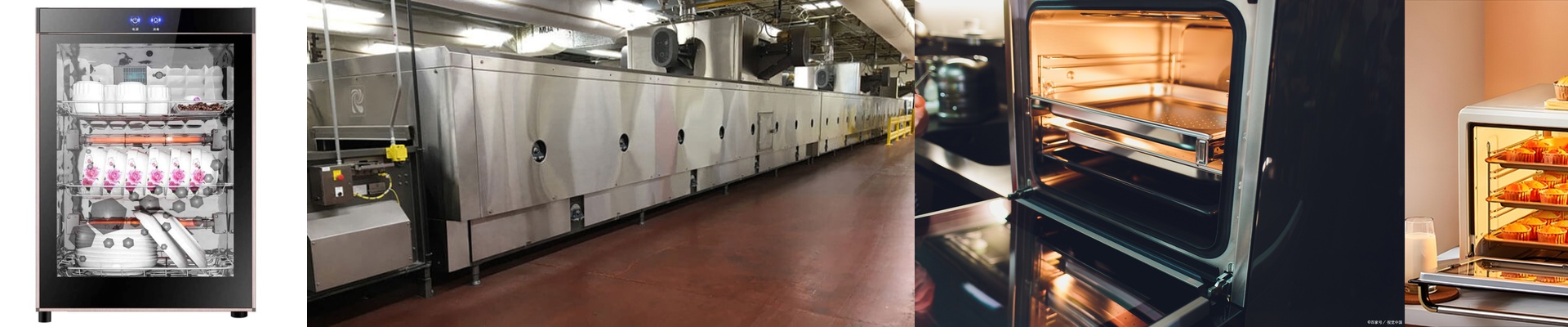
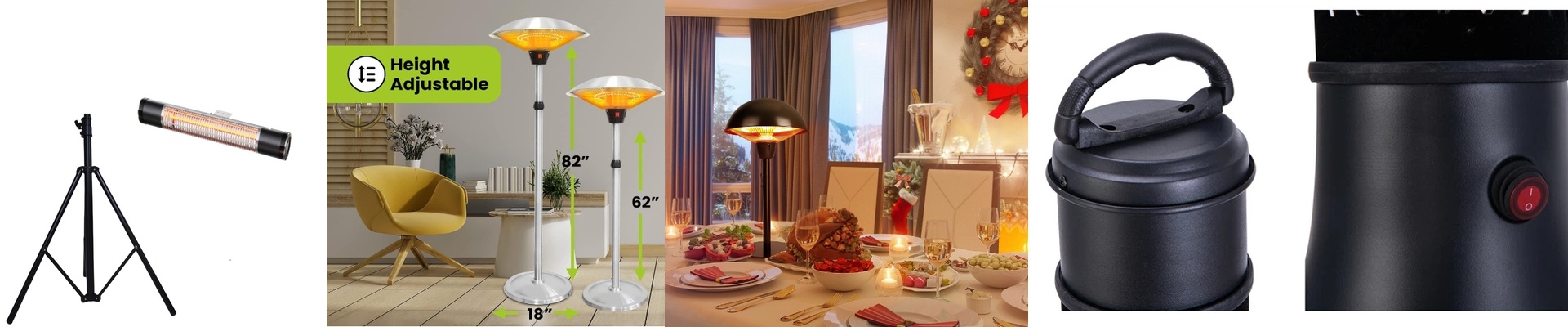
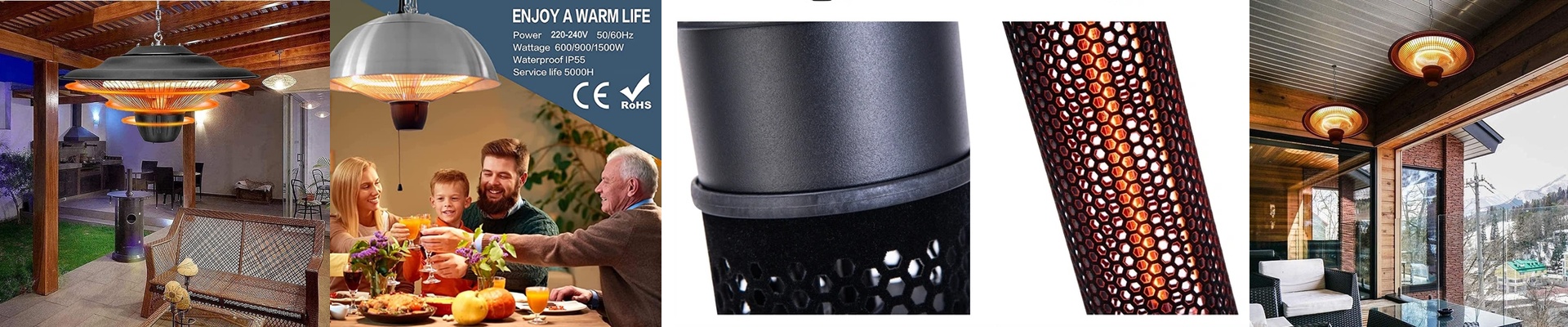
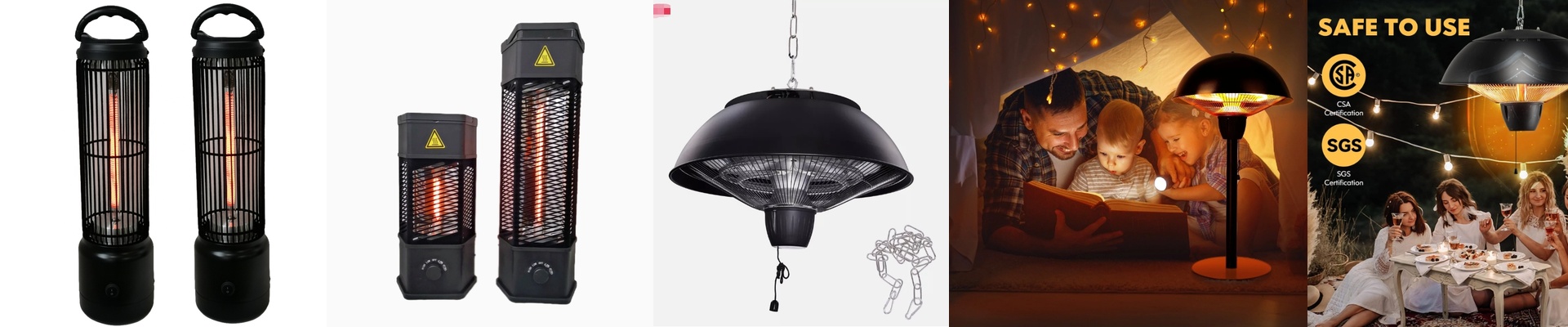
When service hits, heat isn’t free—it’s your most expensive ingredient. A fryer heater that lags, a warming element that drifts, or an oven that can’t recover fast enough turns minutes into missed tickets. You see staff scrambling stations, crusts missing their window, and energy dollars vanishing into slow warm-ups and holding that never quite settles. We built this fryer heater heating element for warming around a simple idea: make heat act like it’s on shift, not on standby. It’s made for commercial kitchen ovens—deck ovens, rotary ovens, convection ovens, and holding cabinets—where timing, temperature, and repeatability decide whether a plate leaves the pass on time and on spec.
What matters under the hood
In a commercial oven, the heating element isn’t just a heater. It sets the pace of the bake, the stability of the hold, and how fast the oven comes back after door cycles. This element uses a high-response resistive heating structure paired with a dense, high-temperature insulating core, so energy goes straight into the baking chamber instead of bleeding off into the frame. The specs were chosen for real kitchen loads, not glossy sheets:
- **Fast rise:**You hit full operating temperature quickly after startup, so you can preheat and bake without waiting for the oven mass to catch up.
- **Targeted holding:**The element holds setpoint with tight tolerance during holding and warming, so food stays at safe, serviceable temperature without overcooking.
- **High power density where it counts:**The geometry concentrates heat where airflow and pan load need it, improving recovery after loading and cutting down on temperature sag.
- **Kitchen-rated build:**Robust terminations, ceramic or high-temp polymer insulators, and a shield that can take grease, steam, and the daily grind of cleaning. It’s not just about wattage. It’s about how quickly the element can deliver heat on demand, hold steady under load, and repeat that cycle hour after hour.
Why this works in a live kitchen
Heat has to earn its keep when service is moving. **On the line, recovery is speed.**Deck ovens lose heat fast when the door opens every few minutes. A high-response element brings the baking chamber back to setpoint quickly, so the next pizza or bread load bakes on schedule. You get consistent crust color and doneness because the heat arrives when the product needs it—not ten minutes later. **In holding and warming, stability is safety and quality.**Warming cabinets and holding ovens have to hold setpoint without chasing hot and cold. This element keeps temperatures steady, so fried items stay crisp, sauces stay smooth, and proteins stay in safe holding range. You cut waste from overheated food and rework from cold spots. **Energy use is about time and control.**Faster warm-up and shorter recovery mean the oven spends less time pulling full power. Tighter temperature control reduces wide-open cycling, which lowers peak demand and smooths energy draw. In a volume kitchen, that shows up on the utility bill—and in how fast a full order gets out. **Durability is measured in cycles.**We designed this for doors that slam, pans that slam in and out, and the daily presence of steam and grease. It’s built to handle service shock, with materials that resist thermal stress and terminations that stay tight under vibration.
What you need to get right
This element is built for commercial ovens, but it still needs the right setup to perform.
- **Match the oven architecture.**The element has to fit the voltage, wattage, mounting, and terminal spacing. If the geometry is off, heat distribution changes and you can end up with uneven baking or localized hot spots.
- **Controls matter.**Pair it with a thermostat or controller that can keep pace with its response. A sluggish control will erase the advantage of a fast element.
- **Cleaning is part of performance.**Grease and carbon buildup act like insulation, blocking heat transfer and forcing the element to run hotter. Keep the element and its shield clean, and you get faster heat, more stable holding, and longer life.
- **One real-world trade-off.**A fast-response element hits high temperatures quickly—that’s why it performs. In very dry holding applications, that heat can feel aggressive if airflow and pan coverage are too light. Use the right pan coverage and air circulation so you don’t dry things out. If your kitchen runs on speed, consistency, and repeatable results, heat has to act like part of the team. This fryer heater heating element for warming is engineered for fast startup, precise holding, and rapid recovery—so your oven keeps pace with service, not the other way around.