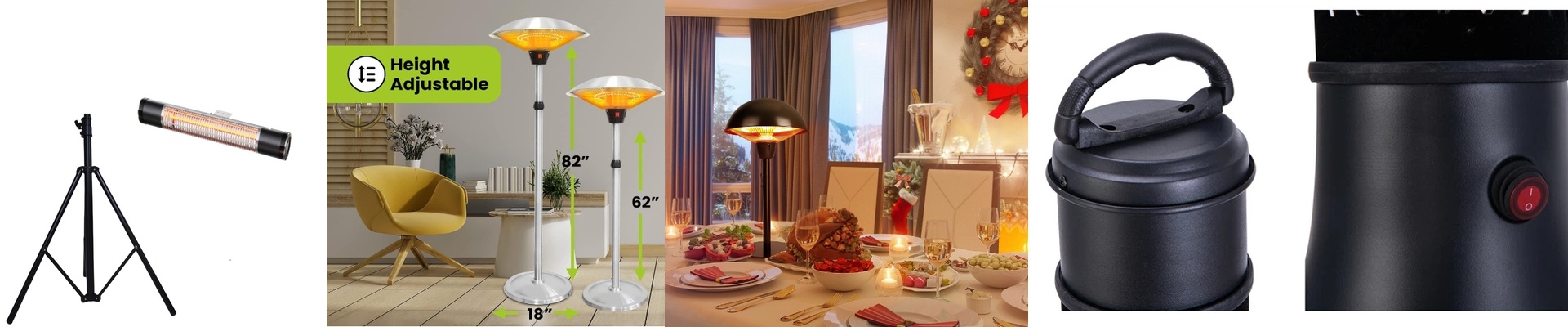
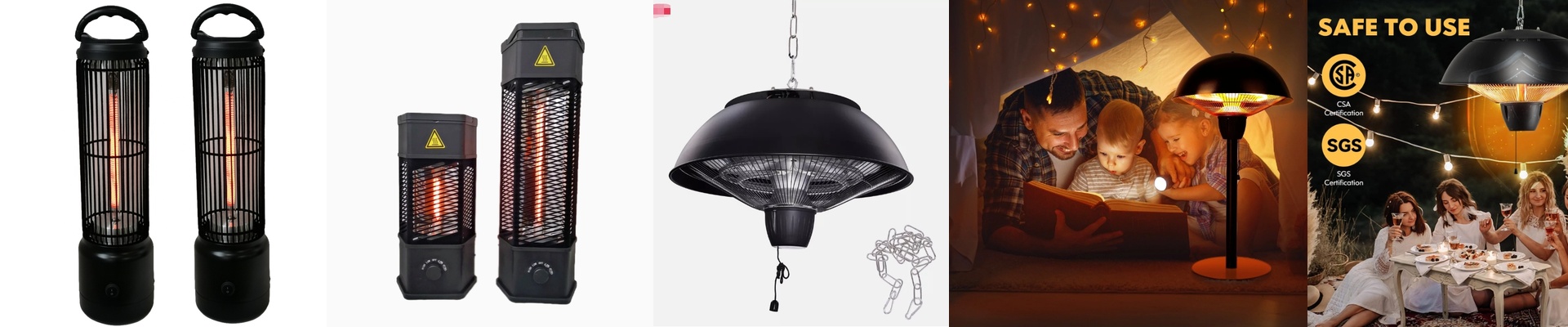
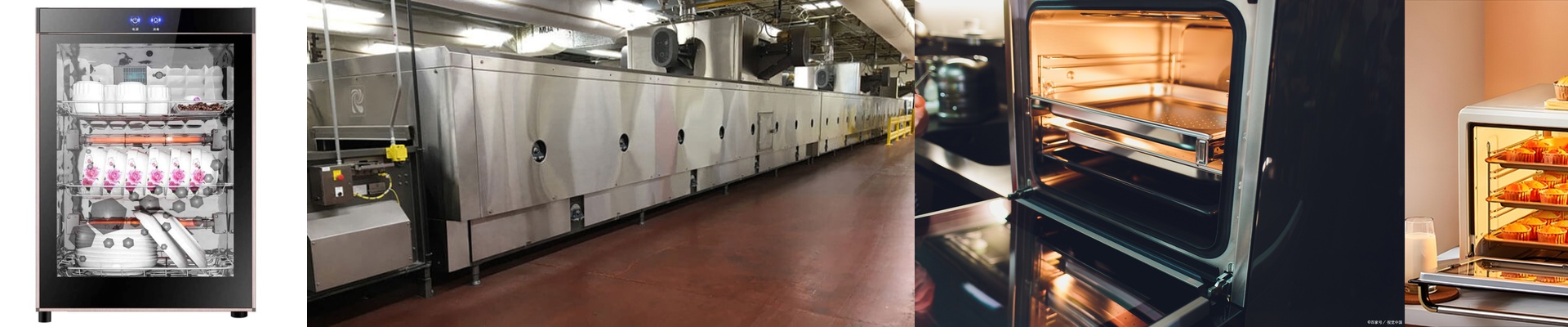

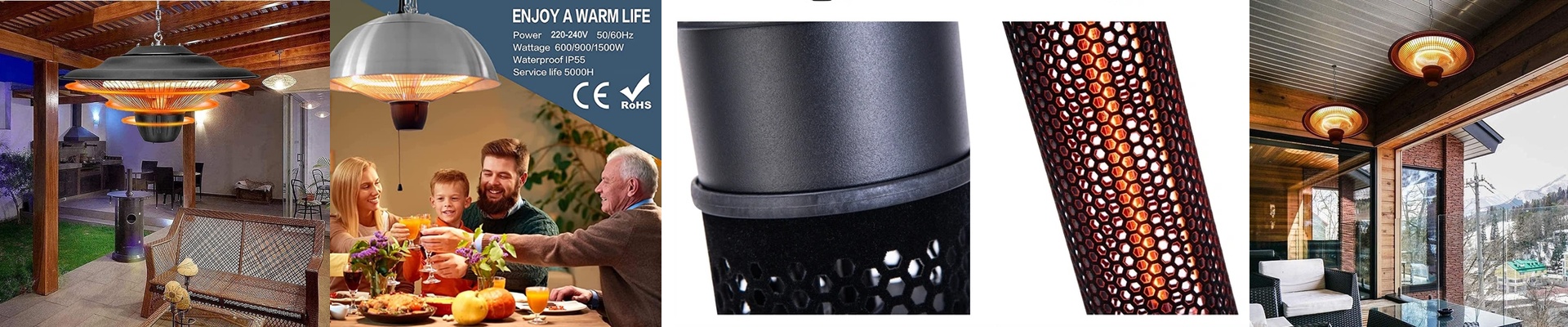
On a crisp evening, stiff joints and sluggish circulation can turn a simple pause outside into a chore. You don’t just want air that warms up and then disappears—you want heat that gets in fast. That’s exactly where a quartz infrared heater earns its keep.
What matters under the hood
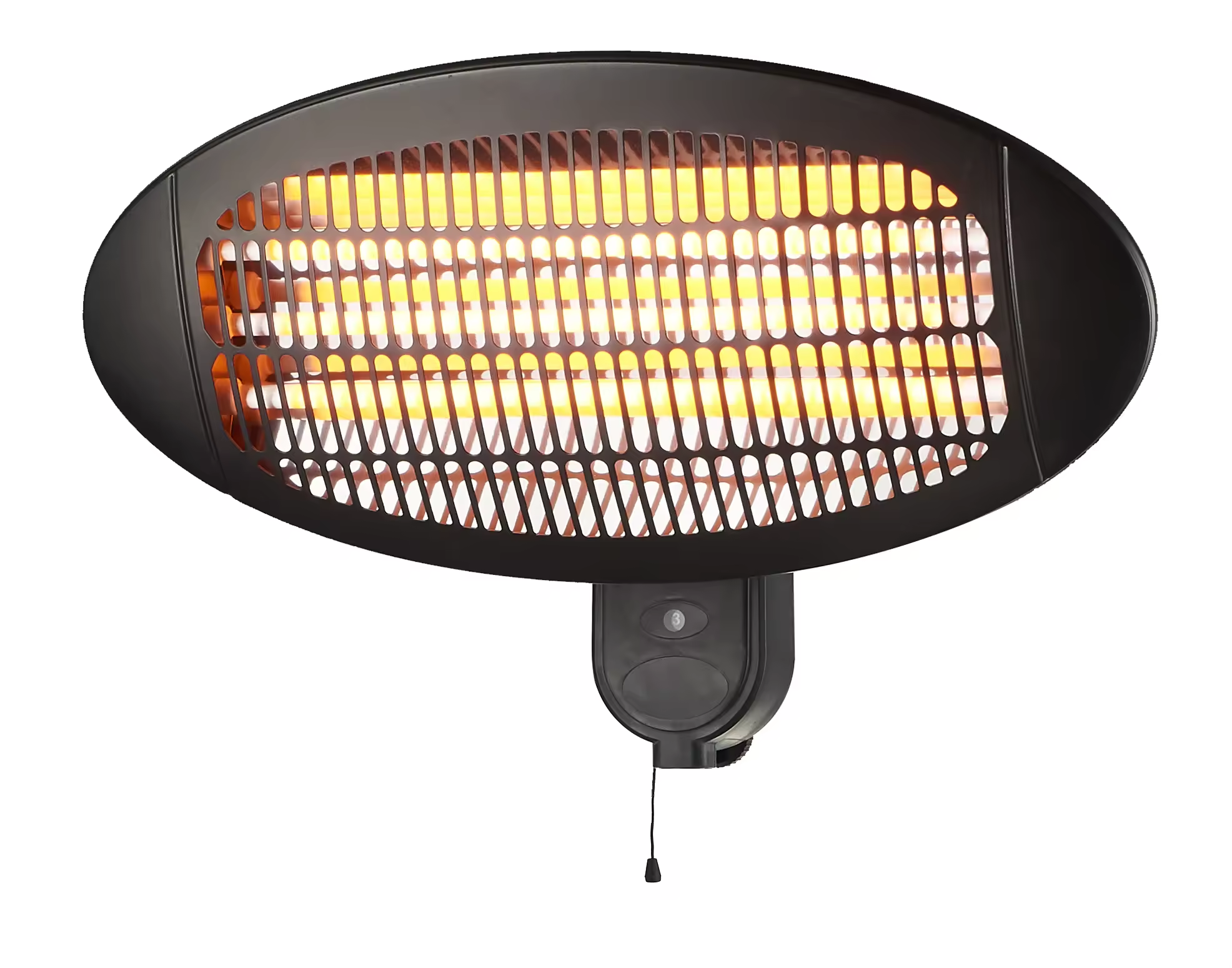
Quartz infrared heaters run on a sealed quartz tube with a high-resistance element that radiates short-wave infrared energy. The feeling is like standing in a patch of late-afternoon sun: the warmth arrives quickly, hitting people and solid surfaces directly, not the air around them. Many models plug into a standard 120V outlet and deliver focused heat in a compact footprint, often with a straightforward thermostat and tip-over protection. It’s quiet, instant radiant heat, with very few moving parts to wear out.
Why this kind of warmth works
This is the comfort people mean when they ask for “sun-like” heat. The deep, penetrating warmth helps loosen tight muscles and can ease the ache of cold joints, so you’re more likely to stay out longer. As muscles relax and circulation picks up, you notice a steady lift in energy—the kind that keeps your pace comfortable, whether you’re stretching on the patio, settling in for the evening, or just moving without stiffness. Because the heat is aimed where you are, you feel cozy sooner, without having to crank up whole-space heating.
What to keep in mind
Quartz infrared heat is most effective at close range. Position the heater about 6–8 feet from your seating area and keep the line of warmth clear of obstructions. Put it on a level, stable surface and respect the clearance requirements from combustible materials. It’s focused warmth, so it shines as a primary heat source for a small zone, or as a booster in larger outdoor areas.