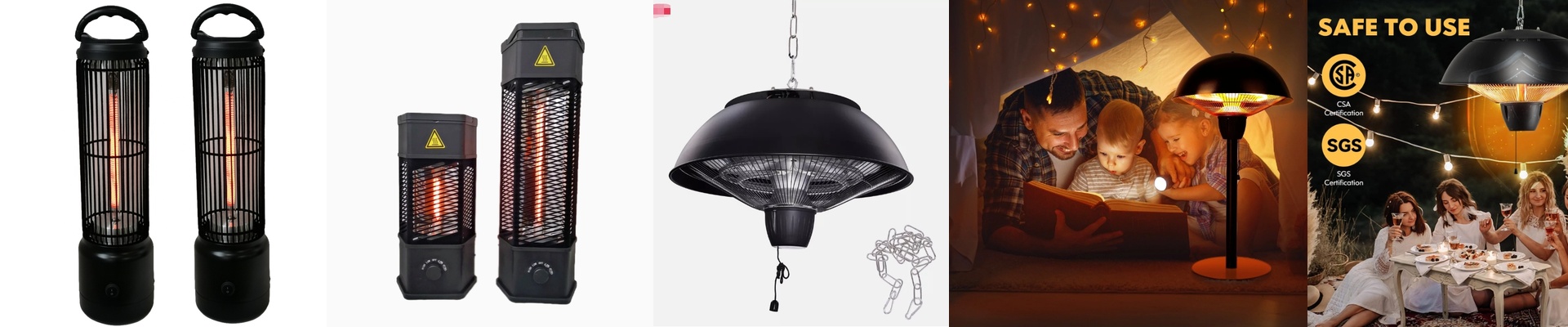
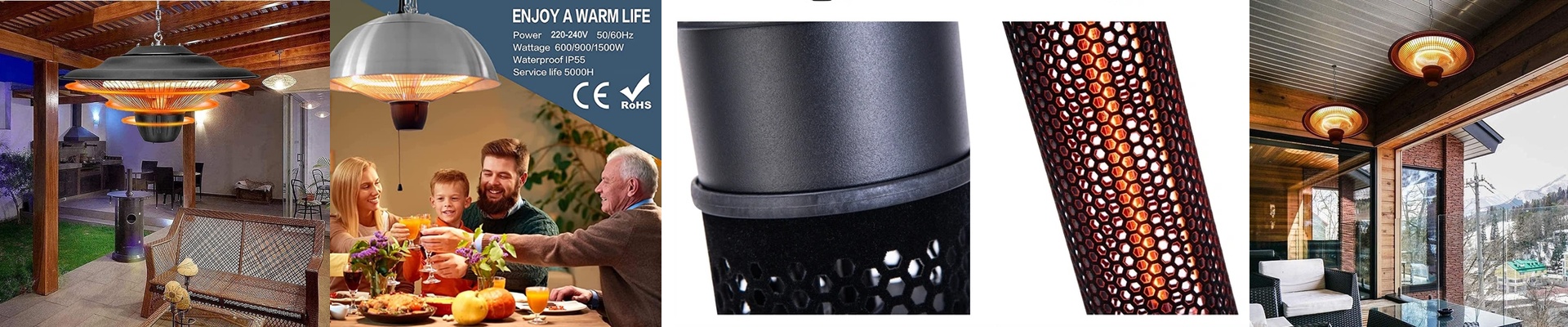
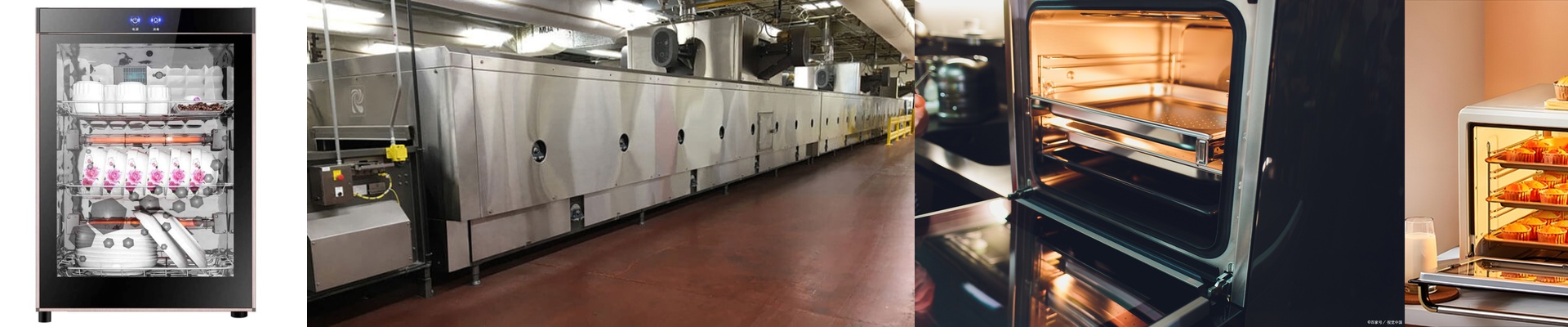
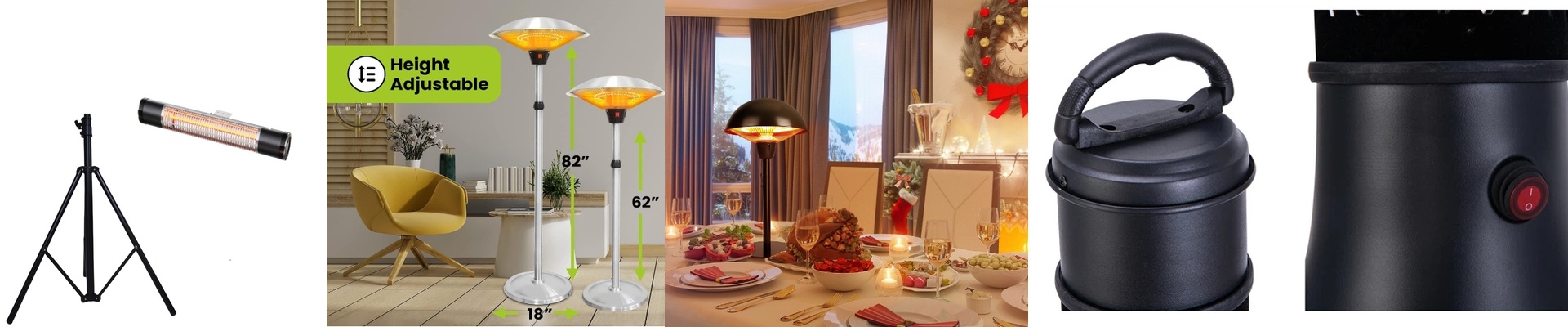


Stepping out of the shower into a cold changing cubicle is the kind of shock no one signs up for. The air steals your comfort, drags out the routine, and leaves you tense before the day even gets going. An infrared cubicle heater doesn’t just warm the air—it delivers radiant heat that feels like standing in a patch of sun. It hits people and surfaces directly, so the space feels welcoming, drier, and evenly comfortable in seconds. More like a quiet spa than a chilly corner.
What matters, technically
We build this heater around a high-efficiency infrared element—usually a quartz tube or a carbon fiber filament—because it responds fast and holds up over time. Heat-up is almost immediate, so you feel warmth within seconds of flipping the switch. The unit is sized for tight cubicles: compact footprint, slim profile, and clean mounting on a wall or ceiling without crowding the room. Controls stay straightforward. An adjustable thermostat keeps the temperature steady, and a tip-over switch cuts power if the heater gets bumped out of place. Most versions run on a standard 120V outlet, so installation is simple in most dressing areas.
Why it works in a changing room
Comfort here isn’t just about the number on the thermometer. It’s about how quickly you stop shivering and how consistent that warmth feels. Radiant heat warms skin and clothes directly, so you feel the difference almost instantly. Because the heat goes where you need it, you’re not wasting energy heating empty air, and you avoid that stuffy, drafty feel. The payoff is faster dressing, fewer complaints, and a more premium experience—without the wait or the energy cost of heating an entire building.
What you need to know
Placement matters. Mount the heater so the warmth covers the main standing area, and keep clearances open for airflow and safety. Infrared heating is efficient, but the unit can feel intense up close, so position it to avoid direct glare and pick a model with a guard if the space gets heavy traffic. In damp spots, confirm the IP rating is appropriate for the humidity. If it isn’t, add a protective enclosure or choose a damp-rated variant.