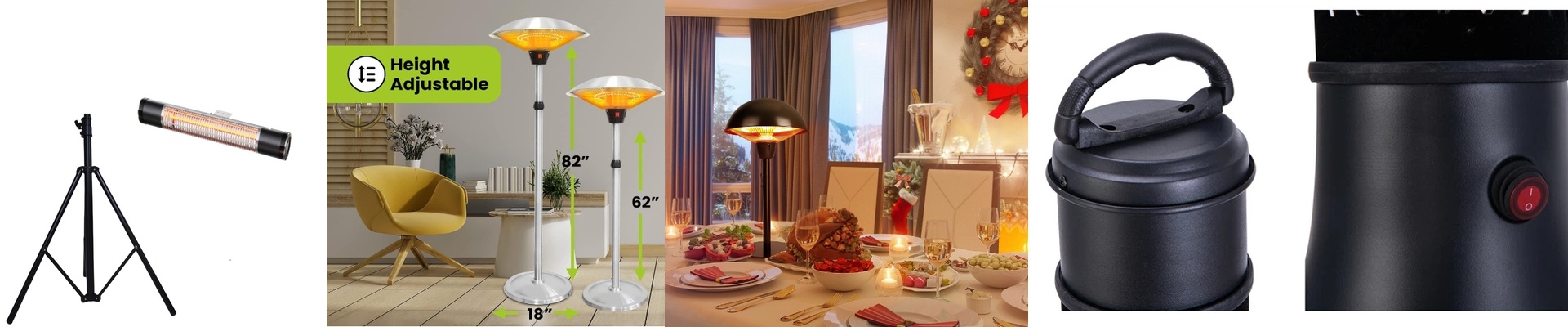
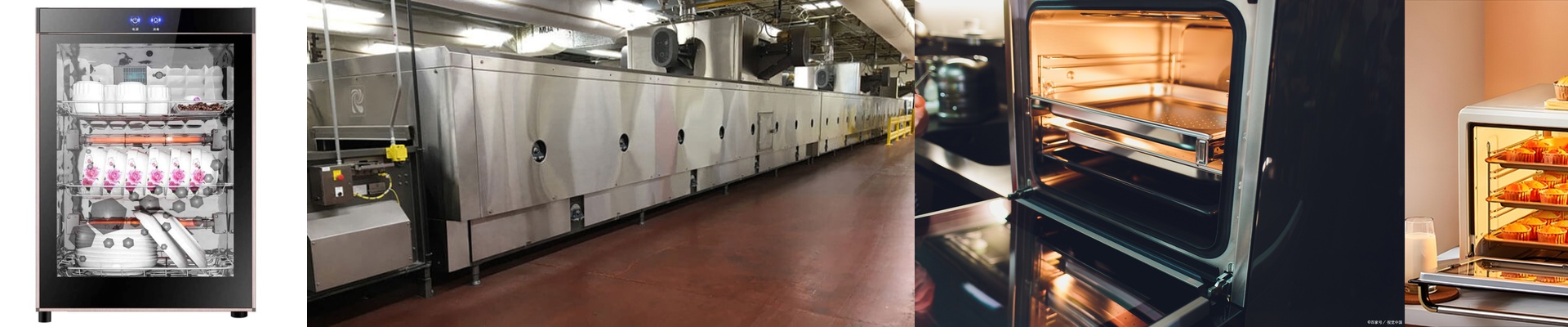
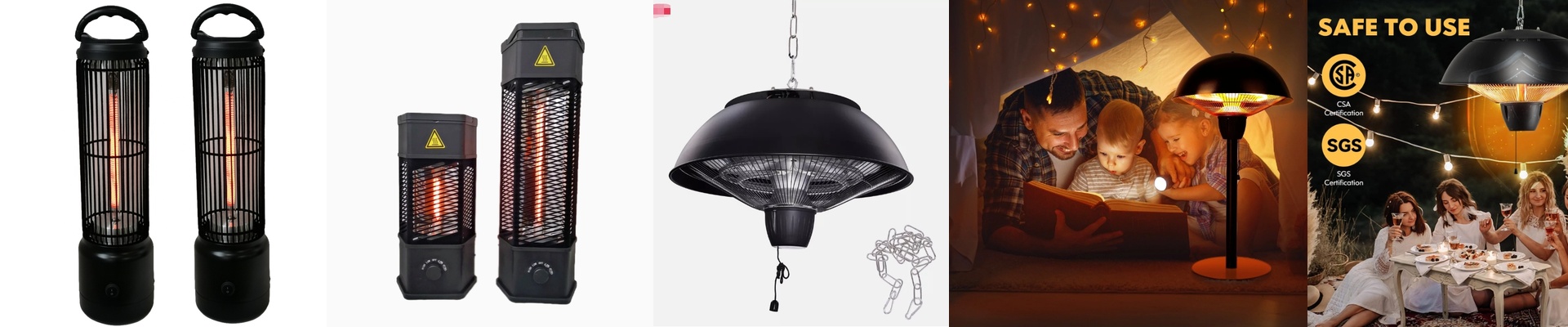
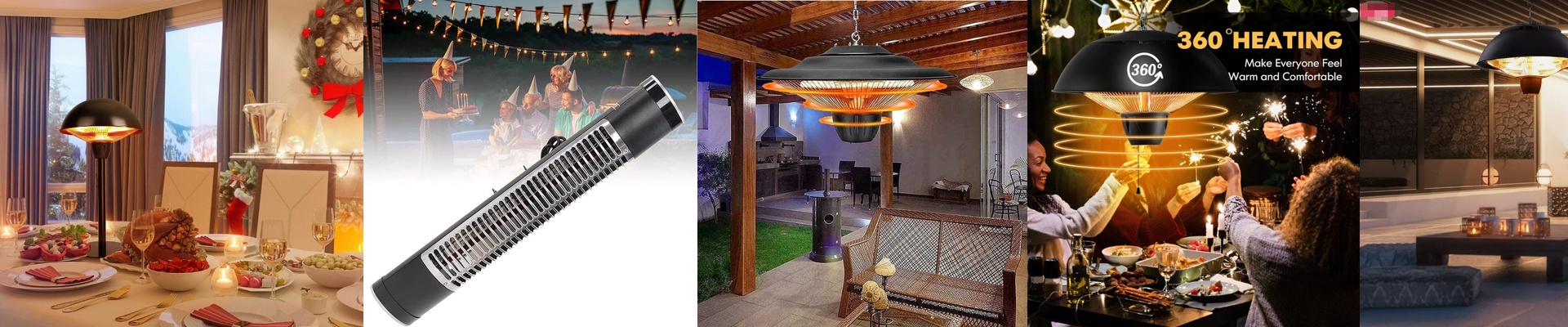
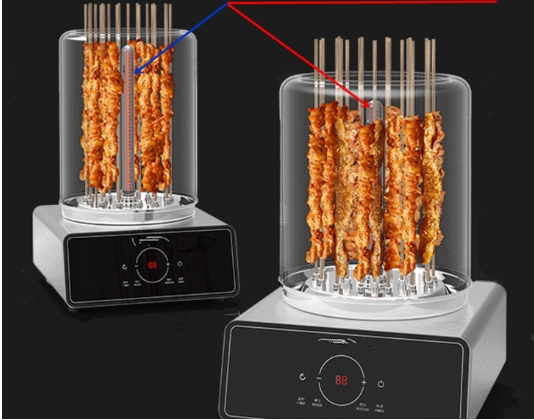
When the ticket stack is piling up and your deck oven is booked solid, the bake you get comes down to two things: how fast the stone hearth recovers and how evenly heat hits the crust. A curing infrared lamp for steam ovens puts that control back in the operator’s hands, turning heat into repeatable, shift-long performance. Here’s what matters under the hood: it’s all about the element physics and how it’s integrated. We run a short-wave quartz halogen design because it throws focused radiant heat fast—response time measured in seconds. Typical units are 240V, 1.5–2.0 kW, with compact lengths to fit standard steam oven cavities and direct-connect terminals for straightforward wiring. The filament sits inside a sealed quartz tube, so it can take the high-humidity environment of a steam oven without hot spots or early failure. What you feel on the line is simple: speed, control, and consistency. In pizza service, that infrared burst drives crust caramelization and leoparding without scorching toppings, so tickets keep flowing and quality stays steady. In bakery production, it sets crisp crusts on bread and baguettes right when the steam drops—cleaner cuts, more consistent spring. For food warming and finishing, it holds plates and proteins at temp without drying, so the pass stays clean and the product looks the part. And it shortens the preheat curve, which trims energy per bake cycle and keeps the kitchen heat load manageable. A couple of shop-floor notes. This lamp is built for steam-assisted environments, but mounting spacing matters to avoid hot zones—keep it 150–200 mm from the product path and align it with the oven’s airflow pattern. Compatibility comes down to cavity dimensions, mounting bracket, and terminal block, so confirm the footprint before ordering. Run it on the correct voltage and you can expect thousands of hours of stable output; in high-wash areas, give the seals and terminals a routine look.