


Technical Deep-Dive: Power Density in a Compact Footprint
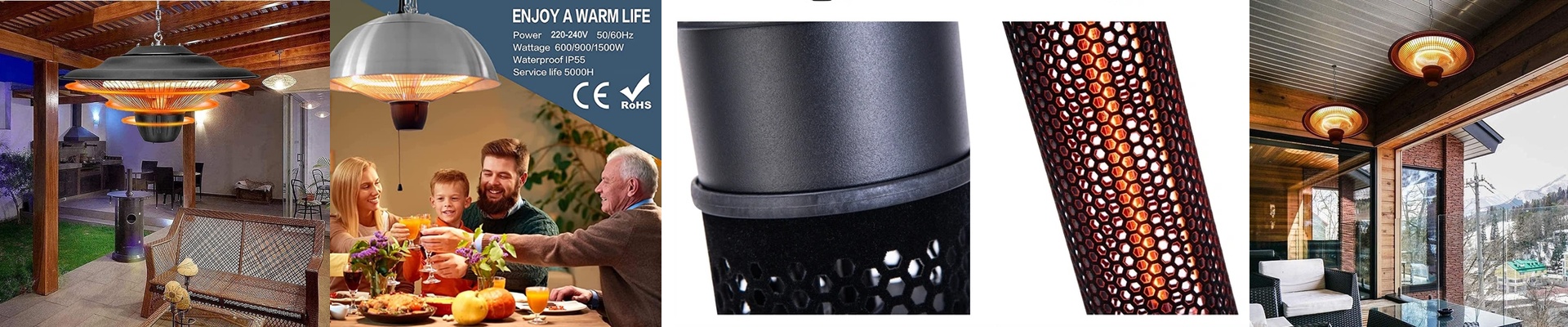
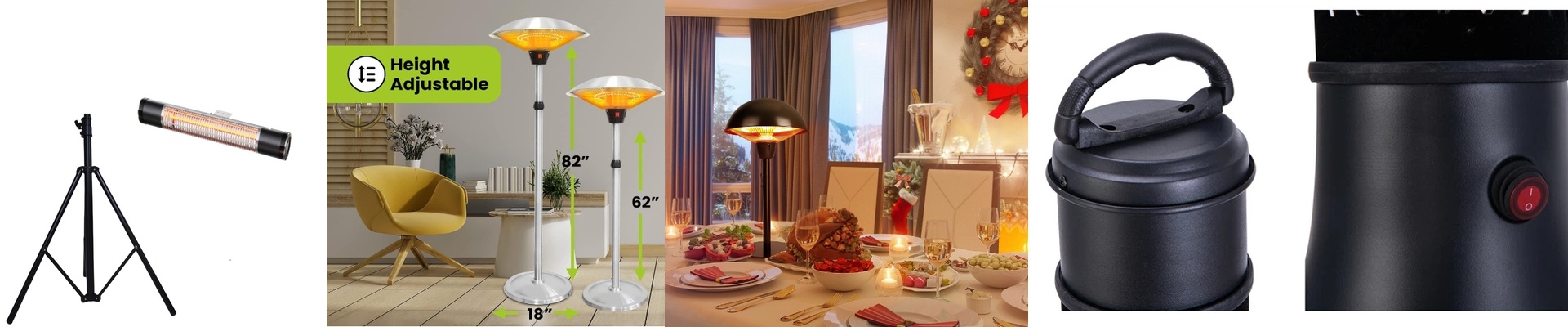
We built this desktop heater for one reason: to pack serious, focused heat into a seriously small space. It runs at 400V and 2500W, squeezing all that power into a 300mm tube. The whole point? Maximizing watt density. That means you get the intense heat you need for fast heating cycles, without needing a giant, bulky enclosure. And that 400V design? It’s a clever move. It keeps the current lower than you’d get with a 230V unit. That means you can use smaller wires and put less stress on the terminal block. A huge relief when you’re wiring up a cramped control panel.
Material & Design: Halogen Quartz and R7s Termination
The heating element itself is a halogen-filled quartz tube. It’s built to take thermal shock without flinching, and it holds its output steady over time. The halogen cycle keeps the filament temperature rock-solid, so you get consistent performance, shift after shift. We chose the R7s bi-pin connector for a reason. It’s a standard, compact way to lock the tube in place quickly and safely handle that 400V load. No extra hardware needed. So when a tube needs replacing, it’s a quick, clean swap. Minimal downtime. Just pop it in and get back to work.
Application & Benefits: Precision Heat for Industrial Processes
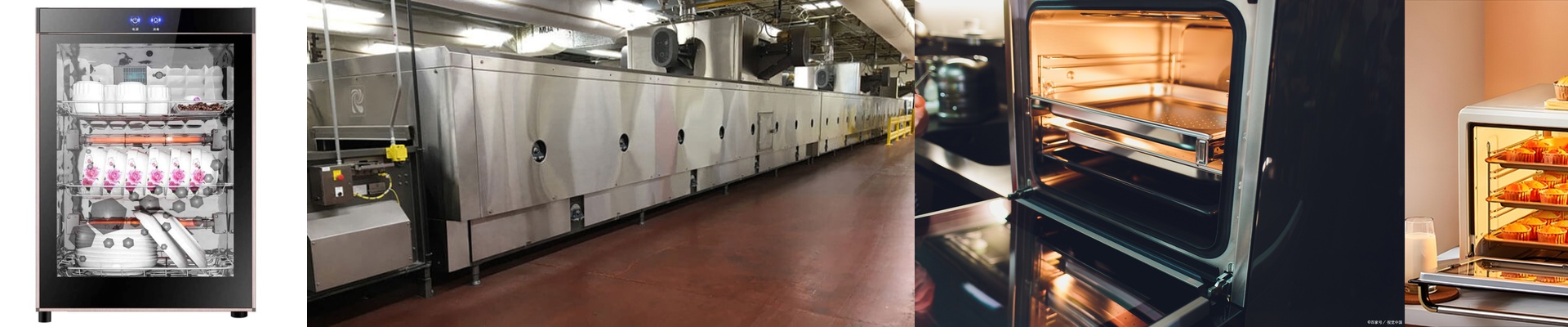
This heater shines in desktop and light industrial settings where you need pinpoint infrared heat. Think component drying, curing adhesives, or softening small plastic parts. The 300mm length gives you a clear, defined heat zone. And with 2500W behind it, it ramps up fast. But here’s the thing: that high heat density needs space to breathe. You have to make sure there’s enough airflow and proper clearance. If you don’t, nearby components can get fried. Plan for the heatsink and spacing from the start, and this unit just runs. Reliably. Repeatably.