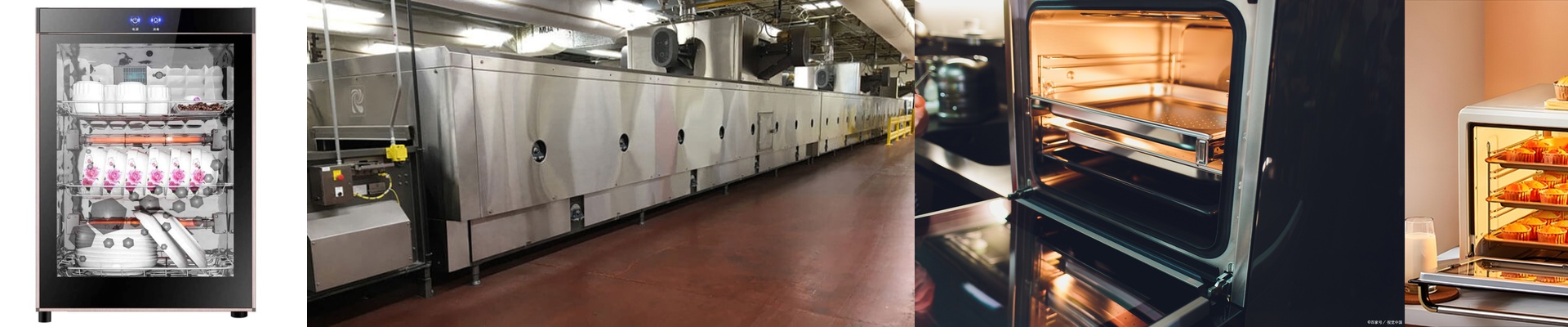

When service hits, you can’t afford to second-guess sanitation. A disinfection cabinet that takes too long to come up, loses heat early, or cooks unevenly turns a quick pass through the line into a bottleneck—and leaves you exposed between inspections.
What matters under the hood
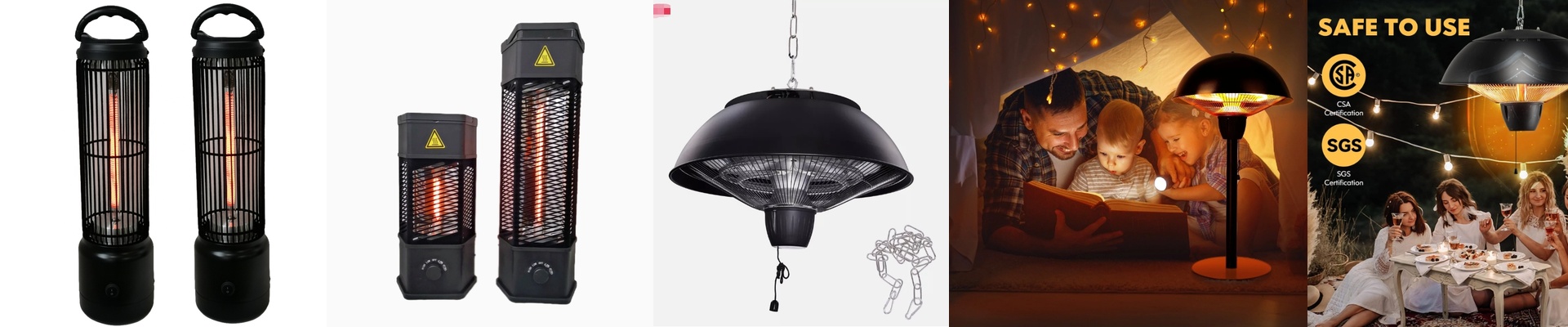
IR tube heating is about direct radiant energy, not just air temperature. Quartz infrared tubes respond fast, hitting surfaces and crevices that warm air alone struggles to reach. Paired with a solid mounting bracket and a terminal block rated for the load, the heating element runs on predictable voltage and current, so the cabinet hits holding temps quickly and holds them steady. The heat is focused where it’s needed, which gives you repeatable distribution across trays and pans without working the thermostat to death.
Why this works in a busy kitchen
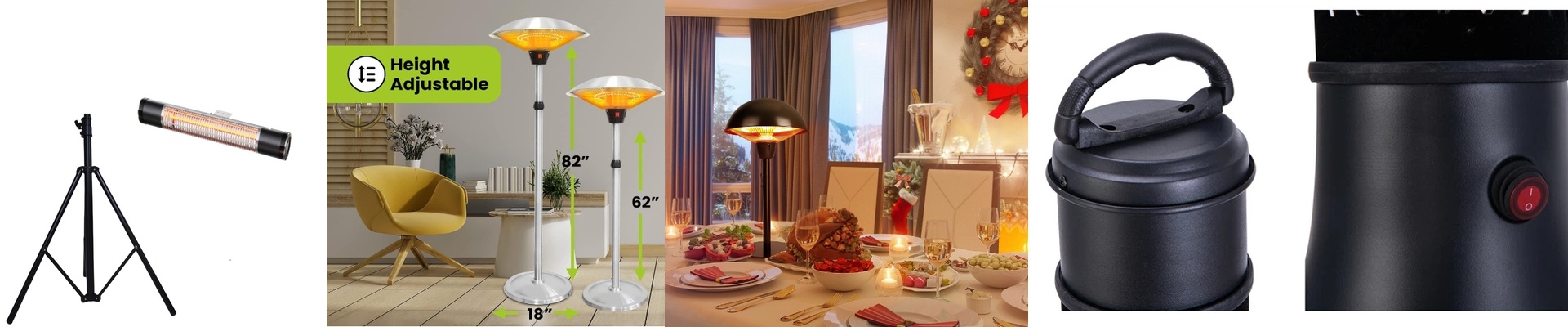
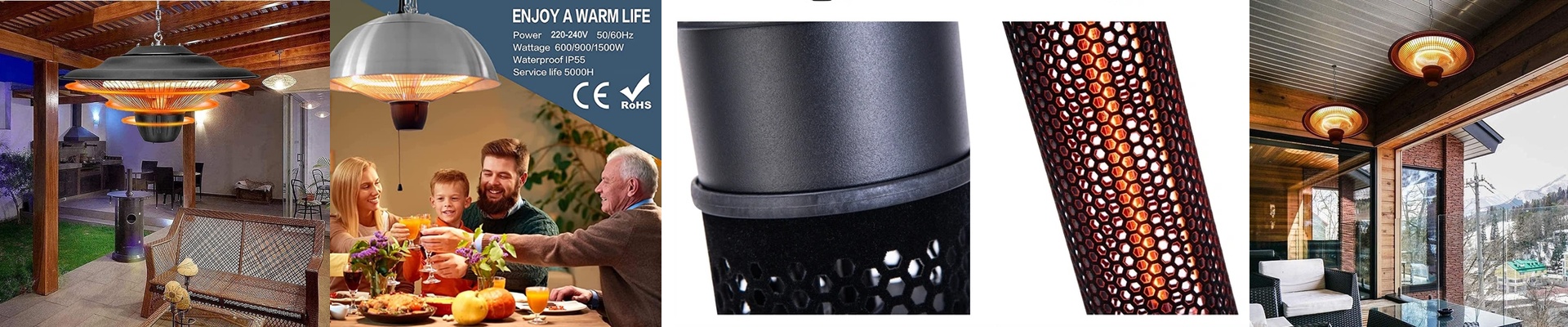
In the thick of service, disinfection has to keep pace. An IR tube-based cabinet comes up to temp fast, holds the required heat zone, and keeps clean equipment flowing back to the line. You get fewer idle minutes waiting for recovery, less guesswork on temperature logs, and consistent sanitation shift after shift. For operators running deck ovens, rotary ovens, or convection ovens, that means the sanitation station doesn’t fight production—it backs it up.
The details you can’t skip
IR tubes are efficient, but they need proper clearance and airflow around the chamber. Install where ventilation is adequate, and make sure the mounting matches the tube length and socket type to avoid hot spots and uneven heating. Also check voltage stability on site; swings can shorten element life and throw off temperature consistency. Plan on routine inspections of tubes and terminals. Replacements are straightforward, but staying ahead keeps the cabinet ready when the rush hits.