
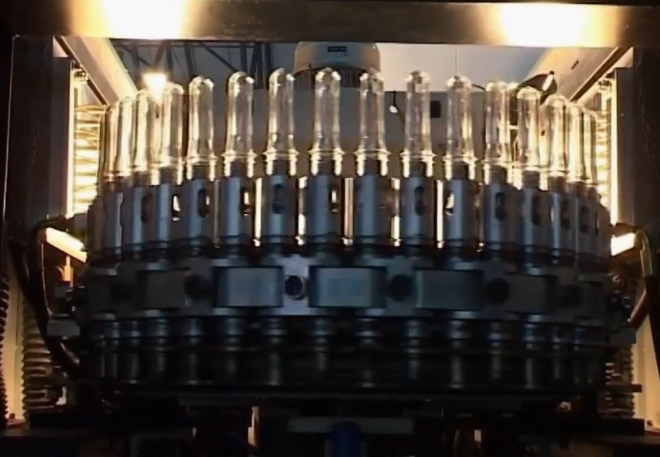
On a PET line, the heating tunnel is where the rubber meets the road. When an IR bulb starts to drift or dim, preforms run cold, and the blow molder spends its time chasing setpoints instead of making bottles. The SIPA SFL 4/4 linear blower IR bulb is built to keep that tunnel honest.
What matters under the hood
We build the SFL 4/4 as a direct-fit replacement for the SIPA SFL 4/4 linear blower—same dimensions, same electrical interface. The emitter is short-wave infrared, quartz envelope with a halogen filament, so it responds fast and holds the heating curve tight. Ratings match the OEM’s heating-zone requirements, and the R7s connector drops straight into the existing socket without any mods. In practice, you swap a lamp without re-engineering the tunnel, and you get repeatable output from one lamp to the next.
Why it plays nice in the SFL 4/4
This bulb is engineered for the SFL 4/4 environment: continuous linear preform heating, stable zone temperatures, and bottle weight control that doesn’t yo-yo. Operators notice quicker recovery after changeovers because the emitters come back to temperature fast, and the consistent spectrum helps cut scrap from off-spec preforms. Energy use drops because input power turns into usable infrared heat with minimal waste, and longer service life means fewer maintenance stops. Teams on 24/7 shifts commonly see single-digit percentage energy reduction and double-digit reductions in unplanned heating stops—more cases out the door per shift.
The practical details
Installation is straightforward, but treat the lamp right. Keep the quartz clean, don’t touch the tube, and verify alignment so the reflector focuses energy where it should be. Match voltage and polarity to the socket, and make sure your heating-zone controller can handle the load without short cycling. One constraint: the bulb is optimized for the SFL 4/4 geometry, so it’s not a universal fit across other blow molder models. If your run conditions fall outside the specified ambient or airflow, talk to us about protective shielding and thermal management to protect longevity.