
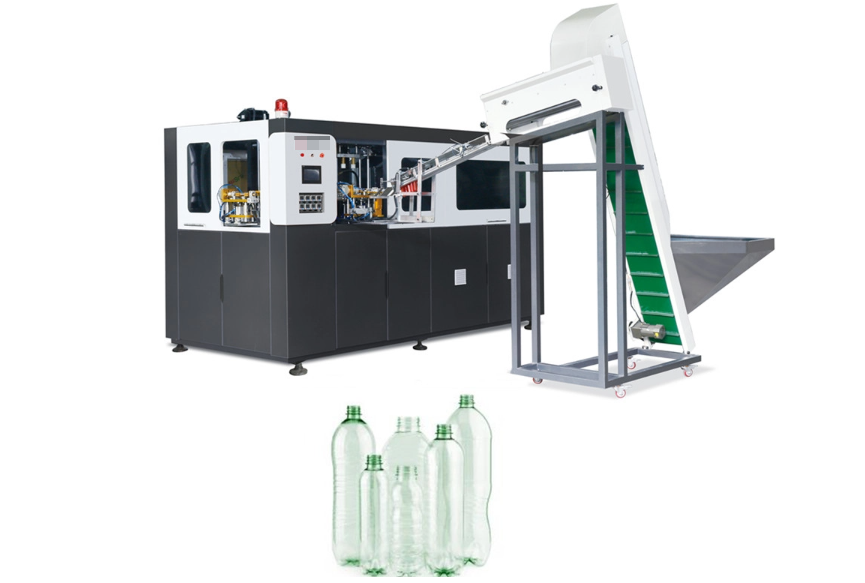
On the floor, the SIPA rotary blow molder keeps humming, but the heating section is where the whole pace gets set. When the SFR 20 heater bulb starts drifting off-spec, preforms heat unevenly—thin walls run cool, thick sections run hot—and suddenly you’re chasing scrap and micro-leakers.
What matters, technically
The SIPA SFR 20 rotary blower heater bulb is a short-wave infrared emitter, built to fit the SFR 20 heating tunnel geometry. We match the original lamp dimensions and the R7s connector interface, so the replacement drops straight in—no fiddling with holders or rewiring. The spec is engineered around the SFR 20’s typical power draw and voltage, giving fast response and repeatable output across the preform heating profile. The quartz envelope takes the thermal shock of rapid on/off cycling, and the internal filament geometry is chosen to keep intensity distribution consistent across the heating zones.
Why this works in practice
In practice, that translates to shorter warm-up and stabilization time before you hit consistent bottle weight and wall distribution. We’ve got field data showing stable heating output after 1,500+ hours, with output drift held within a narrow band—so the process window stays tight and you get fewer setup calls. Energy use drops because the emitter hits setpoint quickly and holds it without overshoot. Put the bulb on a scheduled replacement, and you cut the unplanned stops that come from sudden lamp failure, along with scrap tied to temperature swing.
The details that keep you running
Installation is straightforward, but the bulb needs to be handled clean and seated square in the R7s socket. If it’s off, you’ll see arcing and hot spots. Confirm voltage at the terminal and match the lamp to the machine’s rated power. Expect slightly shorter life if tunnel airflow is restricted or if preform dust coats the tube—keep airflow and reflectors clean, and you’ll get the most stable run.