

Stop Renting Lifts Just to Change a Lightbulb
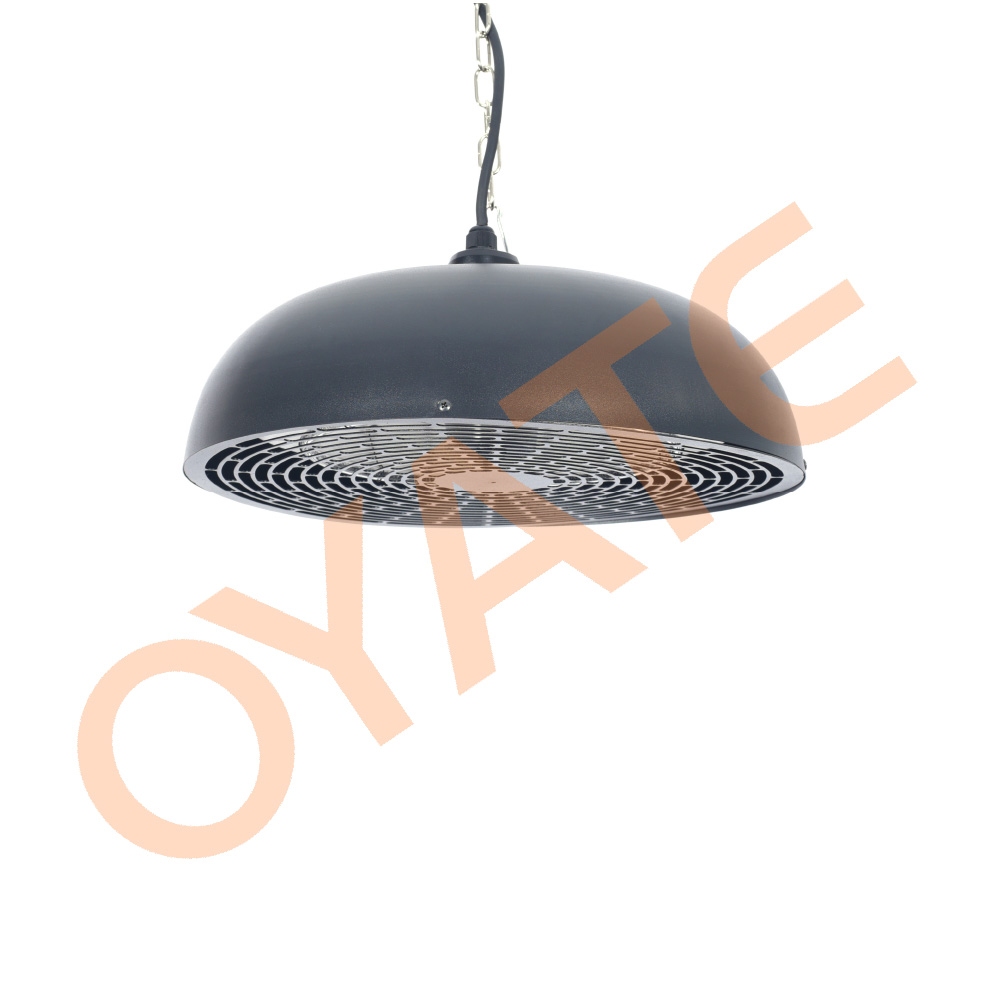
In most warehouses, ceiling heaters are basically invisible. You install them, forget they exist, and then—usually on the coldest day of the year—one of the elements burns out. Now you’ve got a problem. The part itself is cheap. But the cost of renting a scissor lift and shutting down a production line for half a day? That’s where it gets expensive. It’s a massive headache that nobody needs. That’s why we stopped building heaters the old way. Most of the legacy gear out there forces you to tear apart the whole chassis or mess around with the junction box just to swap a single lamp. It’s tedious work. We decided to go with a plug-and-play setup instead. We put the heating elements into their own independent cassettes. So, if a tube gives out after five years of hard use, you don’t have to strip the whole unit. You just pull the dead module out and click a new one in. It turns a grueling afternoon of maintenance into a five-minute job. No more fumbling with terminal screws or crimping wires while you’re wobbling ten feet in the air. Now, let’s be honest about the trade-offs. When you move to a modular system, you add more connection points. In the world of electricity, more plugs can mean more places for things to go wrong if the fit isn’t tight. To fix that, we used high-temp connectors that actually lock into place. You just have to make sure you hear that click and feel it seat fully. If it’s loose, you get resistance, and resistance leads to heat where you don’t want it. We’ve over-specced these connectors to handle the full load with plenty of breathing room, so they won’t melt on you. For the person actually running the facility, this just makes life simpler. You can keep three spare modules in the tool crib. When a zone goes cold, a tech swaps the module, checks the circuit, and gets out of the way. No soldering. No custom wiring. Just a quick swap that gets the floor warm again before the crew even notices it was cold.