
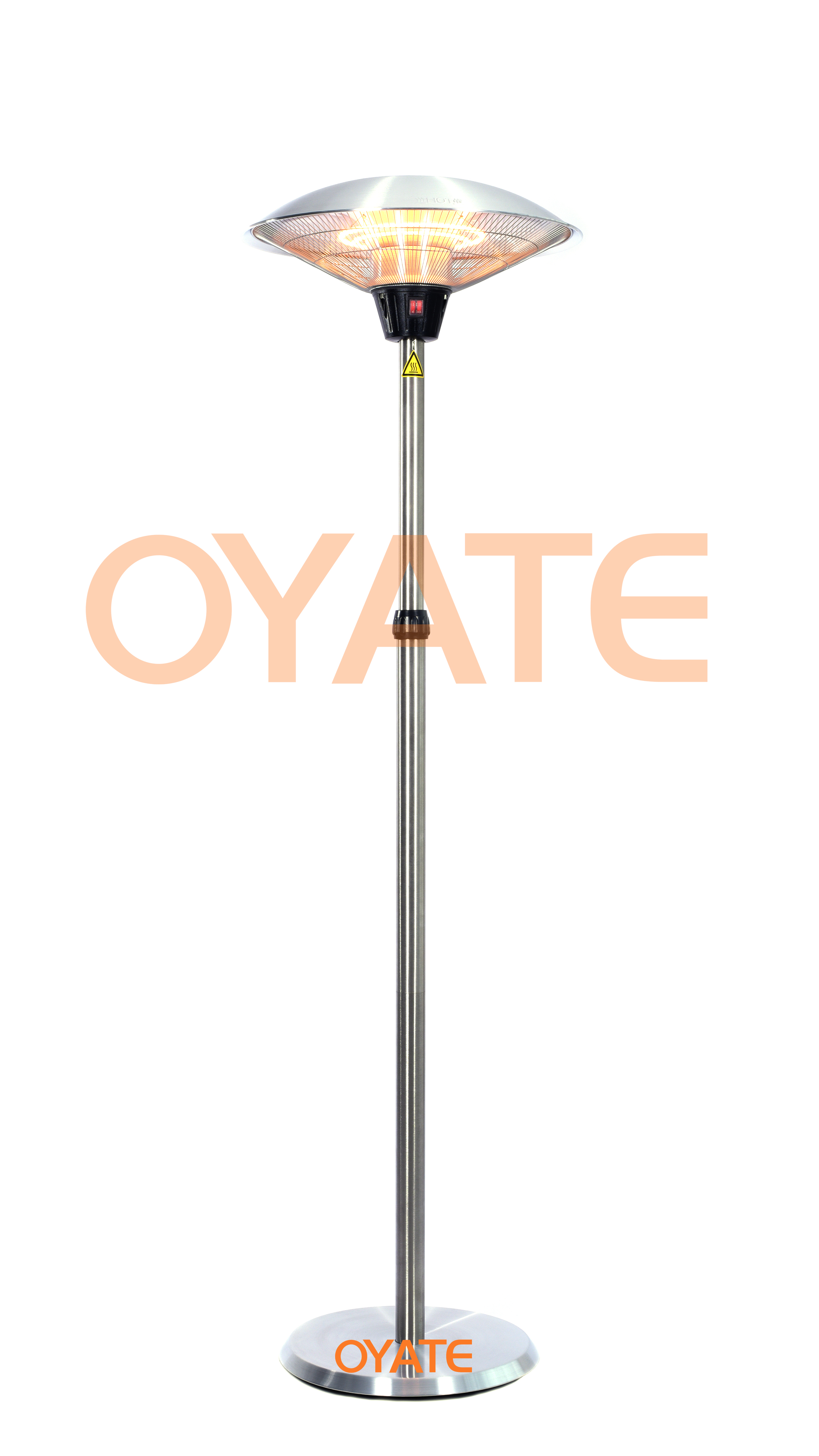
Why we put our IP65 heaters through the wringer
Let’s be honest: bathrooms are a nightmare for electronics. Between the thick steam, the occasional splash of water, and the wild jump from a freezing morning to intense infrared heat, it’s a recipe for disaster. A lot of companies just slap an “IP65” rating on a spec sheet and call it a day. We don’t. We take every batch of lamps and put them through damp-heat aging tests. Basically, we try to break them so they don’t break in your home.
The fight against moisture
On paper, IP65 means the unit is dust-tight and can handle a water jet. But here’s the thing: seals wear out. As a heater warms up and cools down, the housing expands and shrinks. Over time, that creates tiny, microscopic gaps. If a little bit of moisture sneaks into the wiring or the quartz envelope, you’re looking at rust, oxidation, or a dead short. We shove these units into high-humidity chambers for hundreds of hours to force that process to happen fast. If a seal is going to fail, we want it to happen in our lab, not in your customer’s bathroom.
Dealing with the shock
Infrared lamps get hot—fast. Imagine a cold drop of water hitting a glowing hot quartz tube. That kind of thermal shock can crack the glass or fry the internal filaments in a heartbeat. Our tests simulate those exact cycles. We want to make sure the lamp can take a beating without shattering or having the electrical connections wiggle loose. It’s about peace of mind.
The balancing act
There’s a catch, though. If you make a seal too tight, you trap all the heat inside. Since an IP65 enclosure limits airflow, the internal electronics can start to cook themselves. It’s a delicate balance. We have to make the unit watertight without overheating the driver. That’s why these aging tests aren’t optional for us. It’s the only way to prove the heater stays cool and safe while keeping the water out.