
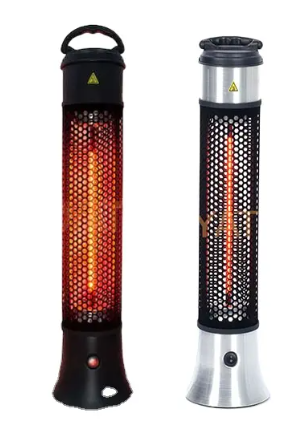
Why we put our bathroom heaters through a “humidity hell”
Let’s be honest: your bathroom is a nightmare for electronics. Between the steam from a hot shower and the sudden chill when you open the door, it’s a constant cycle of soaking wet and freezing cold. If a seal on a halogen tube gives out or the metal contacts start to rust, the lamp doesn’t just stop working—it burns out or shorts. And nobody wants to deal with that while they’re half-naked and shivering. The battle against moisture Water is basically the natural enemy of high-voltage heating elements. To make sure our lamps actually last, we don’t just hope for the best. We put them through “damp-heat aging tests.” Basically, we throw the units into a chamber that mimics years of bathroom steam in a fraction of the time. We’re trying to force water vapor into every tiny crack. We’re looking for two things: seals that leak and contacts that rust. When moisture sneaks past that quartz-to-metal seal, it messes with the gas pressure inside. That’s when the filament snaps, and your light goes dark. It’s all in the details Most of these lamps use those spring-loaded connectors. They’re prone to something we call “creeping” corrosion. If the plating on the pins is even a little bit too thin, the humid air just eats right through it. We keep a close eye on the electrical resistance during these tests. If we see a spike? That’s a fail. But here’s the real kicker: we don’t just leave the lamps on. We cycle them. On, off, on, off. That creates a “breathing” effect. As the lamp heats up and cools down, it expands and contracts, literally sucking moist air into the housing. It’s a brutal test, but it’s the only way to know they’ll hold up. The honest trade-off Being this picky means we toss more batches at the factory. Our scrap rate goes up, which makes the initial cost a bit higher than some cheap, “dry-room” bulb you’d find elsewhere. But it means you get a heater that won’t quit on you three months into winter. Just make sure you’re using a proper IP-rated housing to keep everything within the limits it was designed for. It’s a small price to pay for a warm bathroom that actually works.