

Why We Put Bathroom Infrared Heaters Through the Wringer
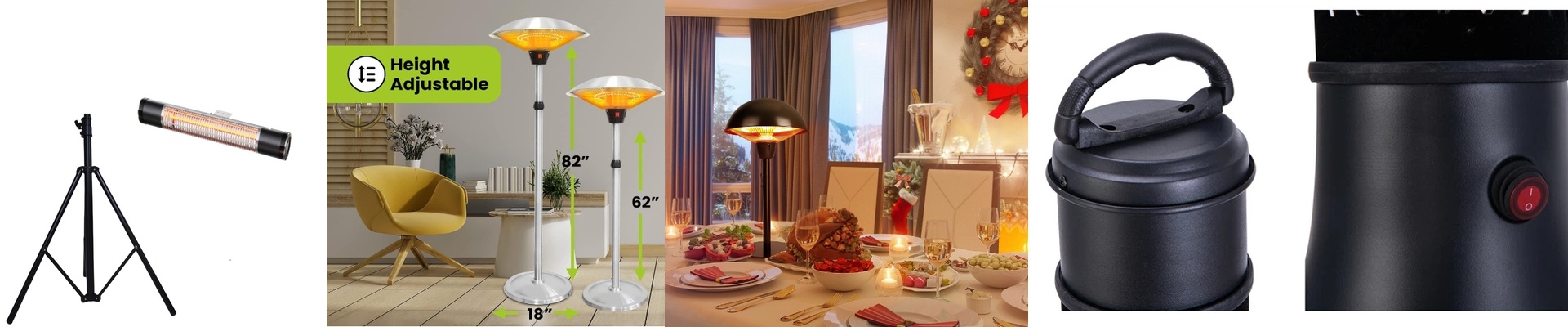
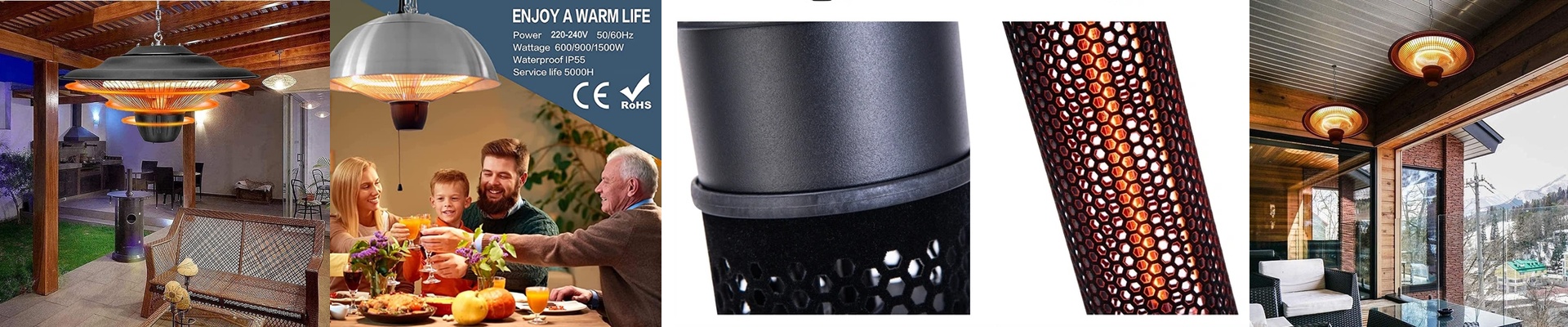
Let’s get real. These wall-mounted infrared heaters with built-in thermostats are built for one place only: the bathroom. It’s a brutal environment. Steam, condensation, and wild temperature swings are the natural enemies of any electronics or heating element. So how do we make sure they’ll hold up? We force them to live through it all in the lab, way before one ever gets installed in your home.
The Power Behind the Heat
A wall heater with a thermostat isn’t just a box that gets hot. It’s a smart, controllable system. That thermostat is the brains. It keeps a steady temperature, so you don’t get that uncomfortable, stuffy feeling from a heater running wide open. It’s all about control—preventing overshoot, keeping the room climate stable, and taking the stress off the lamp itself. Then there’s the power. The wattage determines how much heat you get, and how much power the unit needs. These high-wattage infrared elements throw out focused, fast heat. But that power also means a bigger surge when it kicks on, so the wiring has to be up to the job. And the whole design? It’s compact enough to fit in any bathroom, but focused enough to put the heat exactly where you need it.
Built to Brave the Steam
The heart of the unit—the heating element—is made to handle extreme heat and the constant on-off cycle. We use quartz or halogen infrared sources. They don’t waste time heating the air. They send warmth directly to you, hitting objects and people first. It’s exactly what you want in a bathroom: fast, comforting warmth without a ton of air movement. And that thermostat? It’s rated for damp spaces. Moisture protection isn’t a nice-to-have here; it’s essential. Even the connection points are built to last. It’s a simple, two-terminal fit that wires up clean and stays rock solid. Because if a connection gets loose or corroded, resistance builds, heat spikes, and that’s how things fail.
The Reality Check: We Test It All
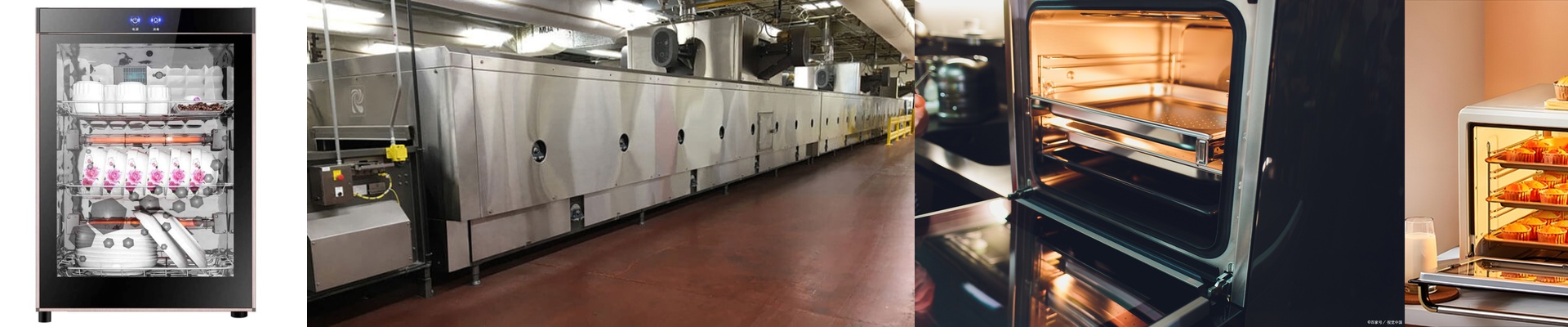
Out in the real world, a bathroom heater gets put through the wringer every single day. It’s constantly bathed in steam. The thermostat contacts get hammered by rapid on-off cycles. So we simulate months of that abuse in just a few days with our extreme heat and humidity aging tests. We run the unit at full power, in a hot, wet box, to see what breaks. And that’s how we catch the problems early. We find weak seals, spot calibration that’s drifting, and see corrosion before it ever leaves the factory. The payoff? You get a unit that’s a simple drop-in replacement, wires up without a headache, and holds its temperature steady, day after day. But let’s be honest—that kind of aggressive heat output means the housing has to be able to breathe and manage its own temperature. If you cram the unit into a tiny, sealed-off space, heat can build up and shorten its life. We test to those exact limits, so you know exactly what the heater can and can’t handle.