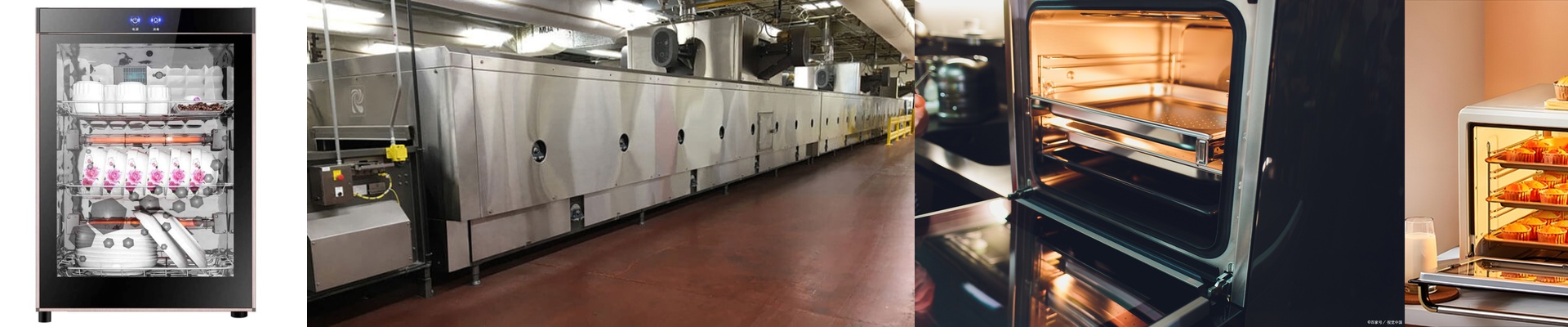
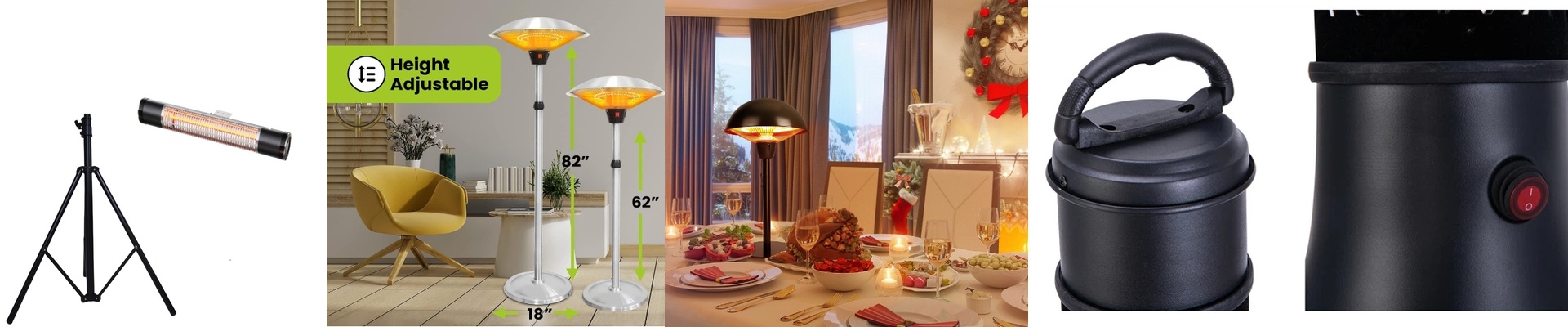
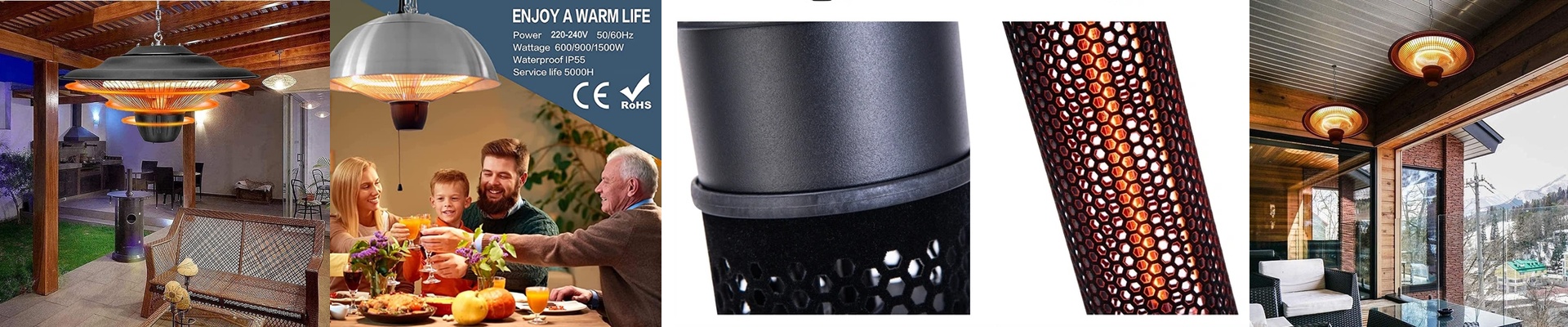


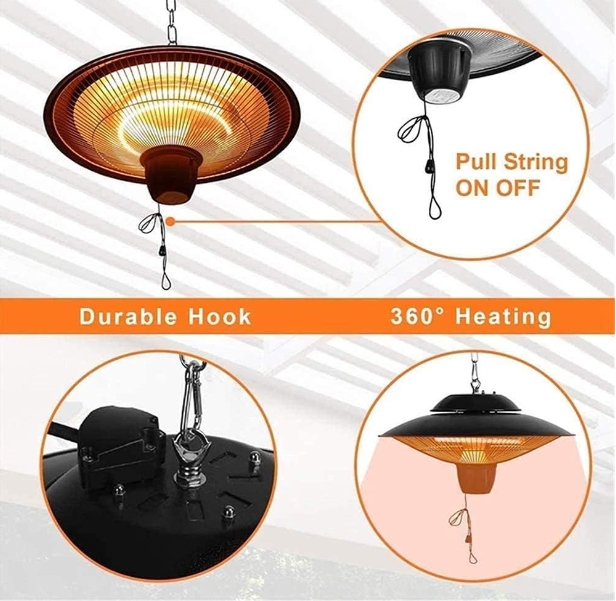
We approach heating as something that should quietly fit your life, not fight it. The problem with a lot of heaters isn’t just that they struggle when the air turns crisp—it’s the noise. The roar that drowns out conversation. The constant interruption. We built this electric heater to cut through that frustration by delivering warmth without the distraction.
What’s actually going on under the hood
This unit uses a carbon fiber element to produce infrared warmth. It heats people and objects directly, instead of wasting energy trying to warm the air. You feel the comfort almost immediately, and you don’t get the heat loss you see with air-based systems. To keep things calm, we paired that radiant heat with a low-noise airflow system engineered to hold sound down—enough to keep a living room quiet while still delivering steady output. The heater runs on a standard 120V outlet, hits a rated output that covers typical living spaces, and includes a thermostat so you can hold a consistent temperature. For safety, it has overheat protection and tip-over protection. Put it in family areas with confidence, because it’s built to shut down appropriately if it gets knocked or runs too hot.
Why it feels right in real homes and on real patios
Comfort is more than a number on the thermostat—it’s about the feel of the room. Indoors, this infrared heat gives you that gentle, steady warmth that helps you relax, supports better circulation, and eases muscle stiffness after a long day. Outdoors, on a covered patio, it buys you usable time when the evenings turn cool—without the harsh noise that kills the mood. Because infrared warmth targets the spaces you actually occupy, you’re not throwing energy at empty corners. That’s what we mean by efficient heating: precise, responsible, and quietly effective.
What to watch for when you run it
For best performance, keep the heater on a stable, level surface. Make sure airflow isn’t blocked by furniture or curtains, and keep it away from moisture sources. It’s designed for covered outdoor areas and indoor rooms, but it isn’t meant for fully exposed, open-weather installs. Plug it directly into a dedicated outlet and circuit—no extension cords. That keeps performance stable and keeps the experience as quiet as it is warm.