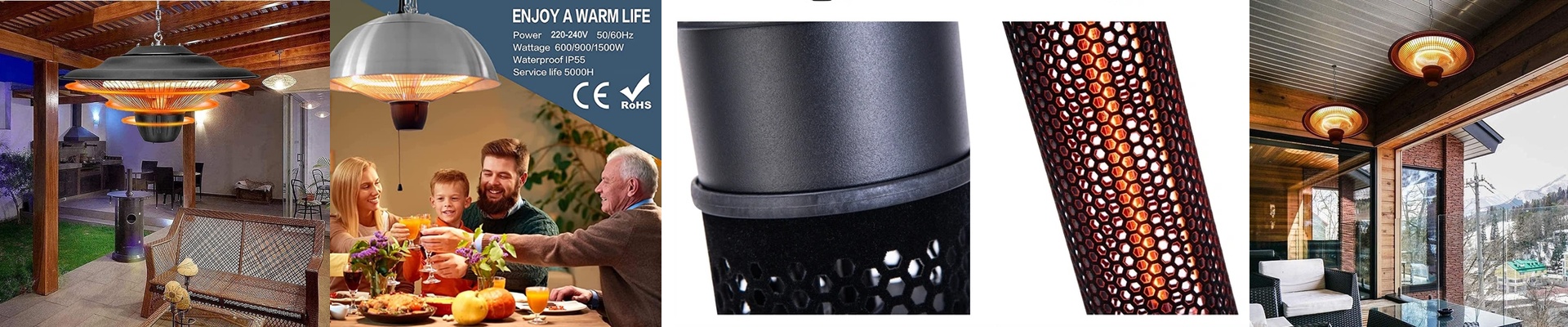
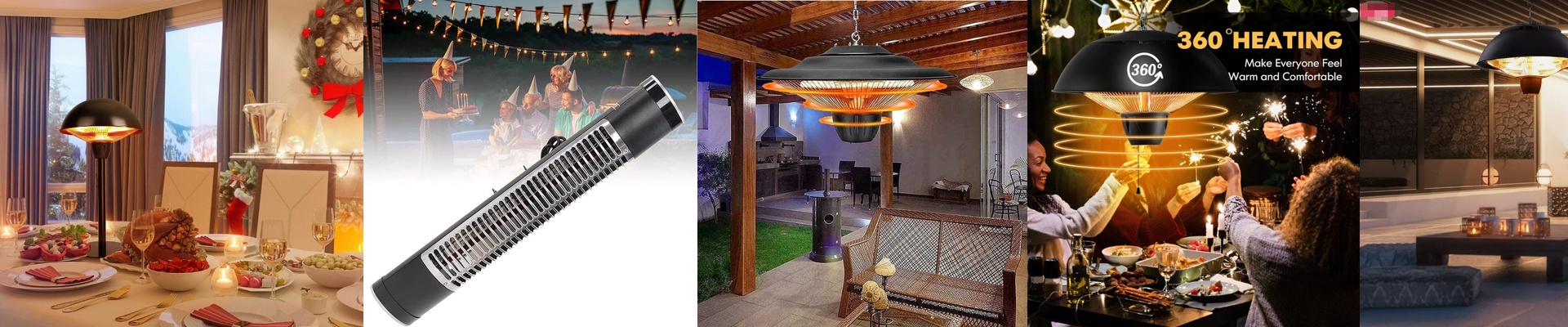
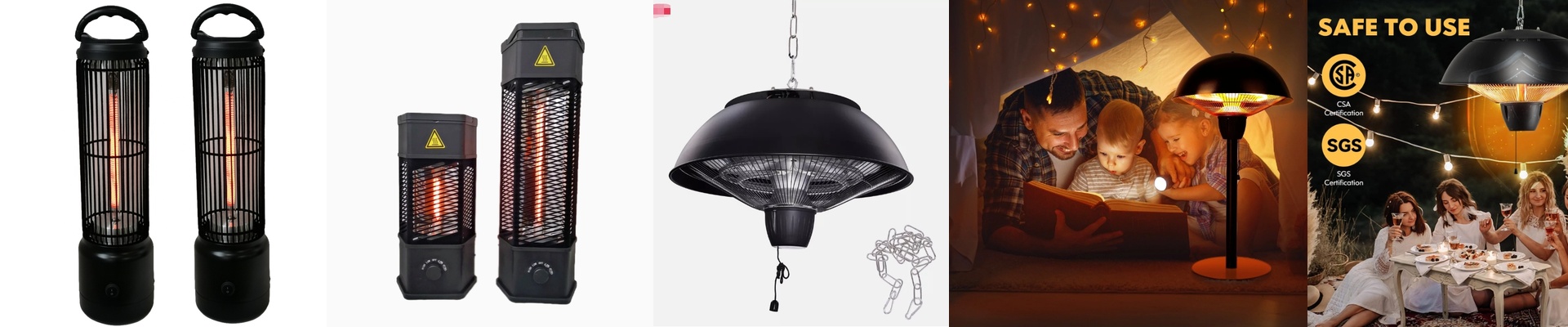
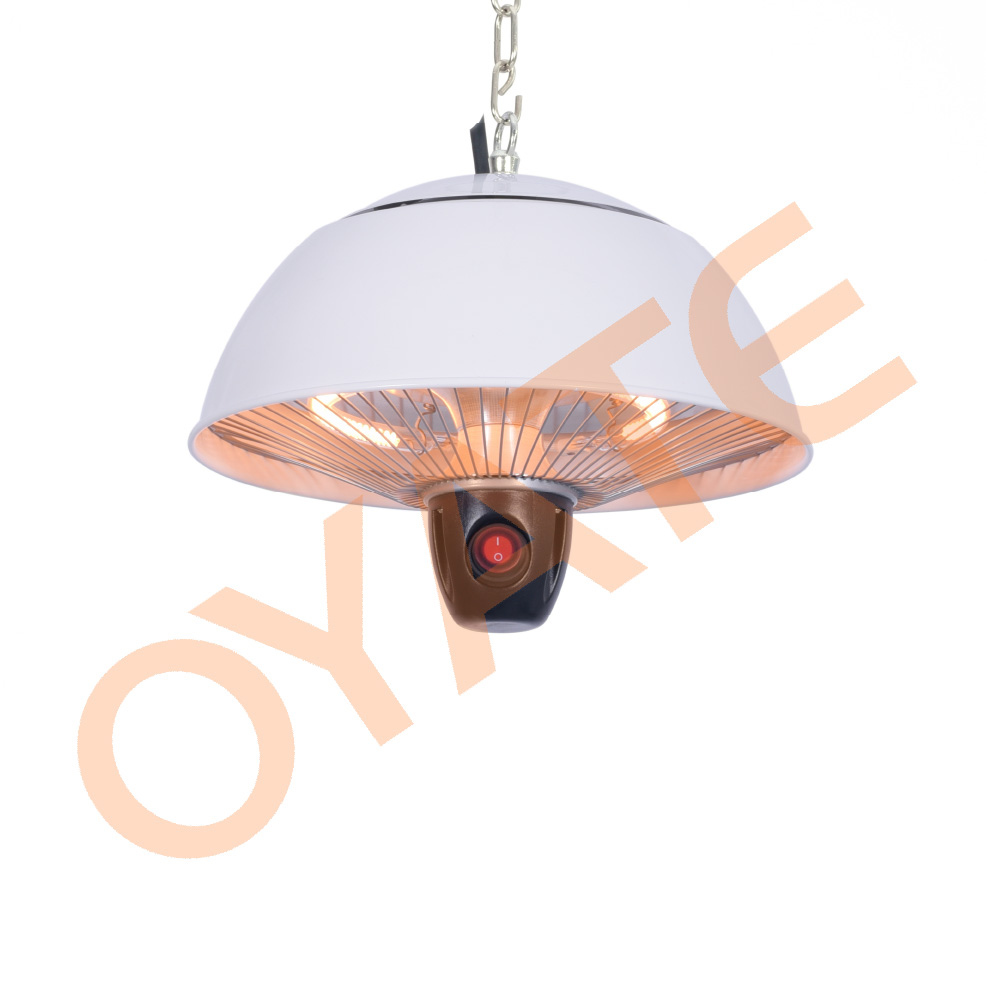
In a senior’s foot spa, comfort isn’t a perk—it’s the whole point. When feet stay cold, circulation drags, muscles stay tight, and the soak loses its therapeutic punch. A standard heater warms air. What you need is direct, penetrating warmth that gets down into the soles.
What matters, under the hood
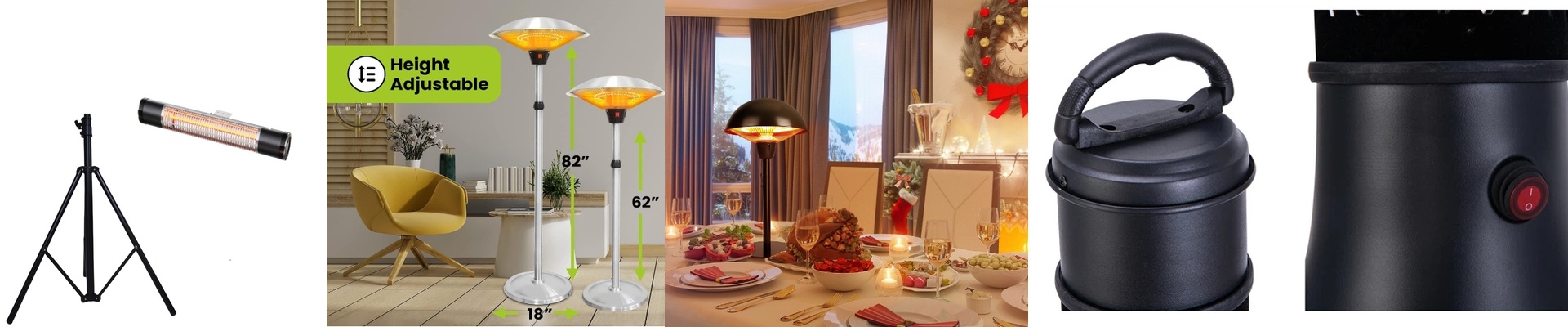
We built this corner fireplace heater around short-wave infrared heating elements, sitting inside tough quartz tubes. The heat comes out as radiant energy—no waiting around to heat the air first. It travels straight to where you aim it. In practice, that means the skin and the tissue underneath warm fast, while the room air stays comfortable and neutral. The unit is sized to fit tight corners, runs on standard 120V household power, and uses a focused reflector pattern to concentrate warmth on the footrest area. The controls stay simple—on/off and a thermostat dial—because in a care setting, steady, predictable heat is what you want.
Why this fits a foot spa
For elderly guests, foot heat therapy is more than comfort. Localized warmth gets blood moving, helps relax the small muscles in the feet and ankles, and makes the whole session feel genuinely restorative. Because infrared warmth delivers heat directly, you don’t have to slowly raise the room temperature. That means quicker warm-up, more consistent comfort during the soak, and less wasted energy. The heater tucks neatly into a corner, keeping the footrest area uncluttered and leaving the caregiver free to focus on the person, not the equipment.
The practical details
Infrared heat is directional, so positioning matters. Mount or place the unit so the beam hits the soles and instep without shining straight into eyes. Keep it out of water splash zones, and plug it into a GFCI-protected outlet for safety. For best results, pair infrared warmth with a soak and gentle movement—supports circulation without overheating. The trade-off is straightforward: you get deep, targeted heat, but you have to aim it carefully so it matches the session.