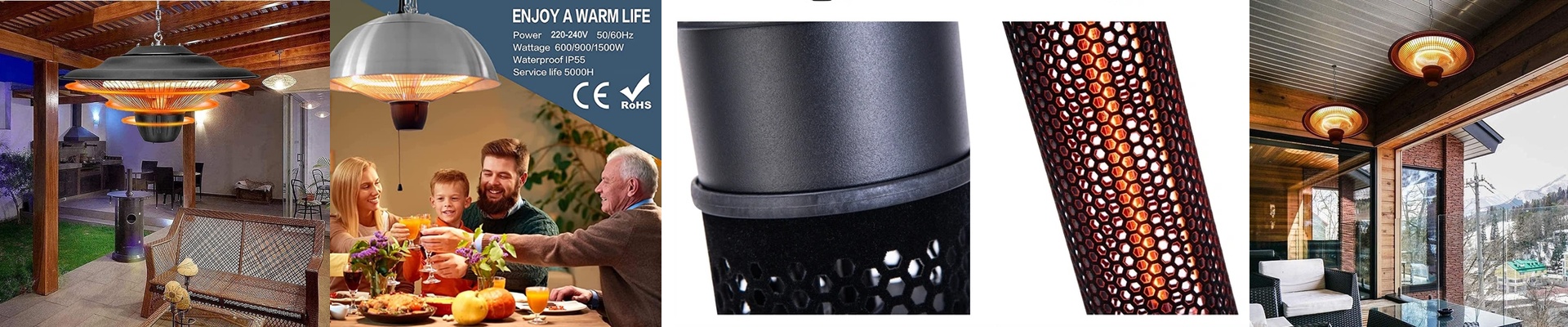

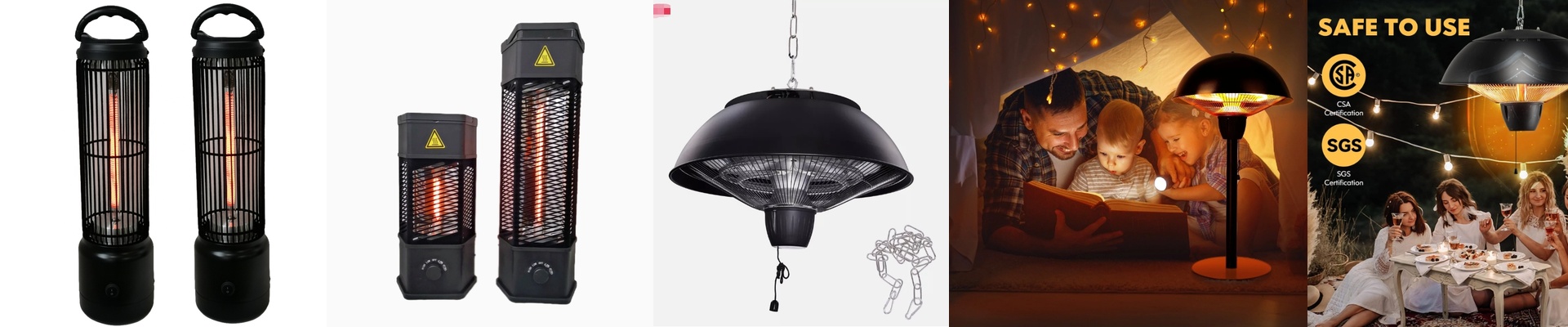
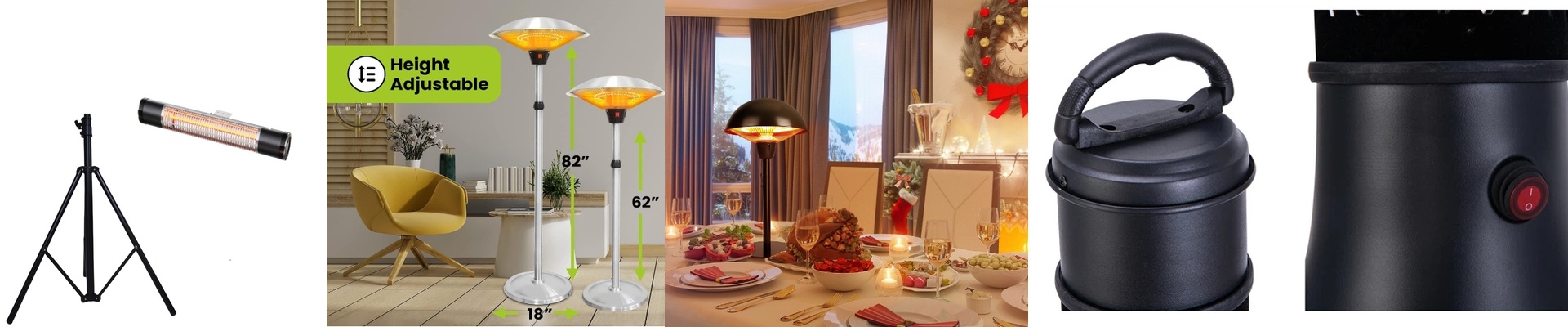
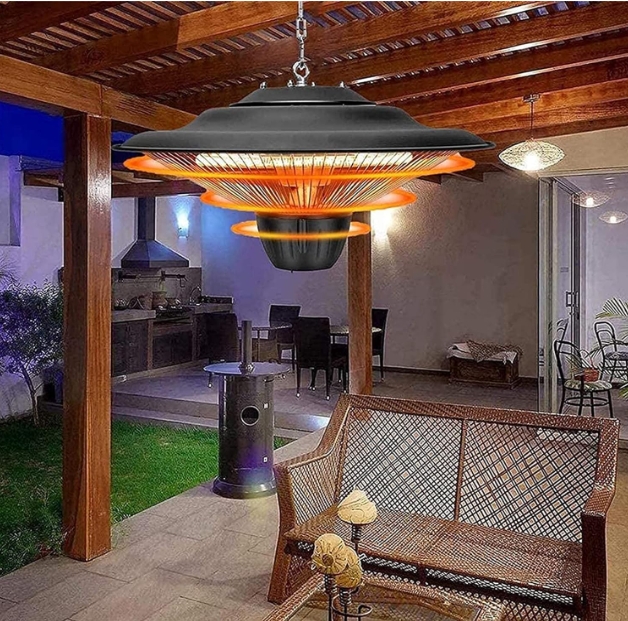
Cold floors in a big warehouse do more than make people miserable. They slow everyone down, stiffen joints, and chip away at morale without anyone saying a word. Overhead heaters warm the air, not the people, and the energy bill just keeps climbing. The practical fix is a foot warmer built around infrared radiant heat—warmth delivered where it’s needed, at floor level, the moment you need it. What matters technically Infrared foot warmers lean on a high-efficiency radiant element, usually a carbon fiber or quartz tube, to put out long-wave infrared warmth that travels in a straight line to the floor and objects. You get immediate, directional heat with no warm-up lag. Many models run on standard 120V or 240V circuits, pull 1200–1500W, and sit low with a focused beam angle. They’re engineered to heat the area where people stand, not the ceiling. A built-in thermostat keeps output steady, and tip-over protection adds a straightforward safety layer. Why it works in a warehouse In a warehouse, you want “person-level” precision. Infrared foot warmers shine because they target workstations, loading bays, and aisles without dumping heat into empty space. Workers feel the warmth in seconds, which helps keep movement steady, focus consistent, and reduces the need for constant breaks to warm up. Energy use drops because you’re heating people, not a massive air volume. Add a timer or an occupancy sensor and you cut waste even more—the unit only runs when the area is in use. The radiant warmth also helps keep floors dry, which improves traction and safety during busy shifts. Things to keep in mind These heaters are built for open or semi-enclosed spaces, not fully sealed rooms with poor air exchange. Place or mount them to stay clear of foot traffic, and keep at least 3 feet from combustible materials. For steady comfort, match wattage to the square footage and use multiple units to cover the key zones. Put the heat where the work happens, not in the middle of a main aisle, and confirm the power supply can handle the total load. Set it up thoughtfully, and you’ll get dependable warmth that keeps the team moving and keeps the energy spend in check.