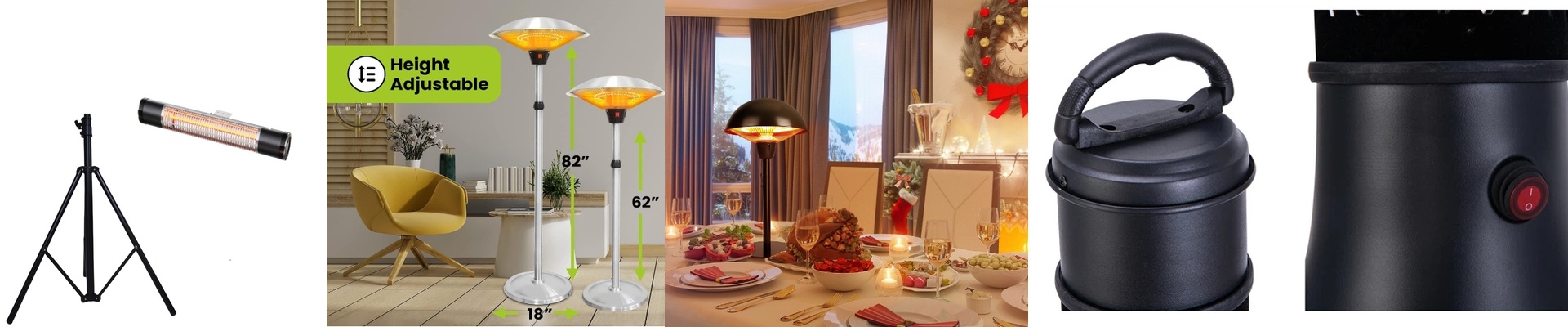

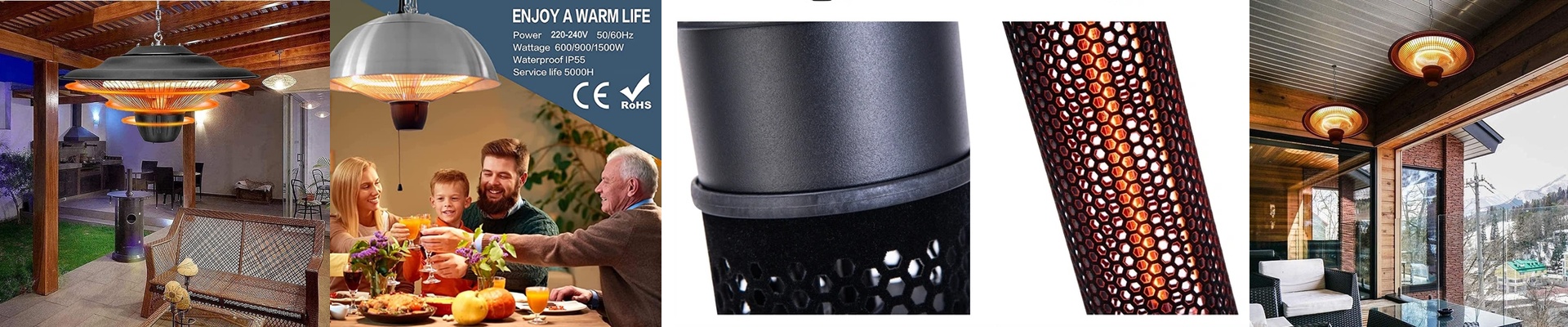
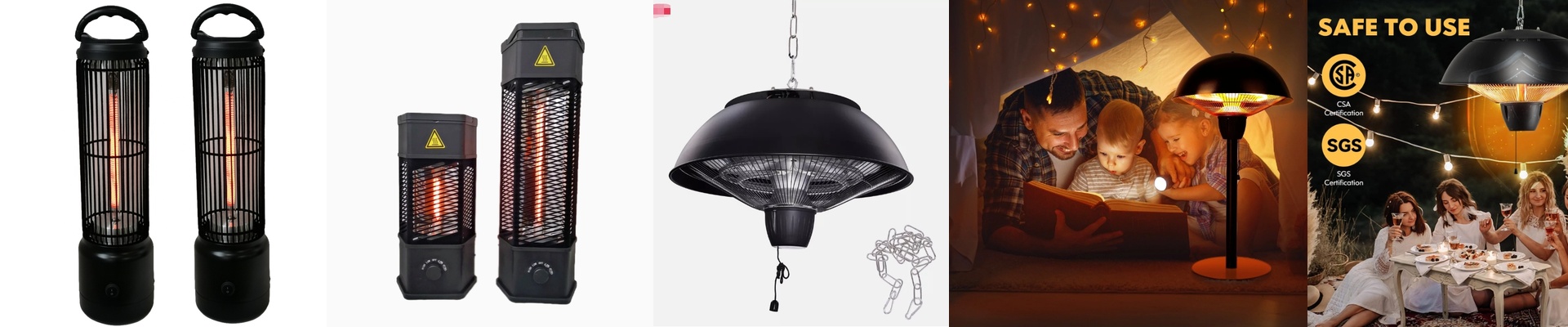
Why Bathroom Heaters Keep Dying (And How We Actually Fix It)
Bathrooms are a nightmare for electronics. You’ve got thick steam one minute and intense, localized heat the next. In most infrared wall heaters, there’s one specific spot where things always go wrong: right where the electrical wire meets the quartz heating element. If that seal isn’t perfect, moisture sneaks in. Then, the heat bakes that moisture into the insulation until it cracks. It’s a slow burn. Eventually, the insulation turns to carbon, the electricity leaks, and—pop—your heater is a paperweight.
The “Expansion” Problem
Most cheap heaters use basic potting compounds. They just can’t handle the constant switching on and off. Think about it. When the element gets hot, the seal expands. When it cools down, it shrinks. Do that a few hundred times and you get these tiny, invisible gaps. That’s when the shower steam moves in. It reacts with the hot metal, ruins the insulation’s ability to block electricity, and leads to a dead short. It’s basically a countdown to failure.
Doing it the Right Way
We decided to stop using “glue” and started using a high-temperature glass-ceramic seal. Instead of just sticking things together, we’re essentially fusing them. The trick is that this material expands and contracts at the exact same rate as the quartz tube. It doesn’t pop off or crack because it moves with the heater. And we didn’t stop at the seal. We swapped out the standard PVC wires—which get brittle and snap in a few months—for heavy-duty fluoropolymer or silicone-glass braiding. We also vacuum-seal the termination to keep oxygen and moisture far away from the core.
The Bottom Line
Look, this stuff costs more. It adds to the bill of materials and takes longer on the assembly line because those seals need time to cure properly. But here’s the thing: you can save a few cents per unit by using a cheap seal, or you can deal with a mountain of returns. When you’re dealing with real-world bathroom humidity, the “budget” option usually ends up being the most expensive mistake you can make.