

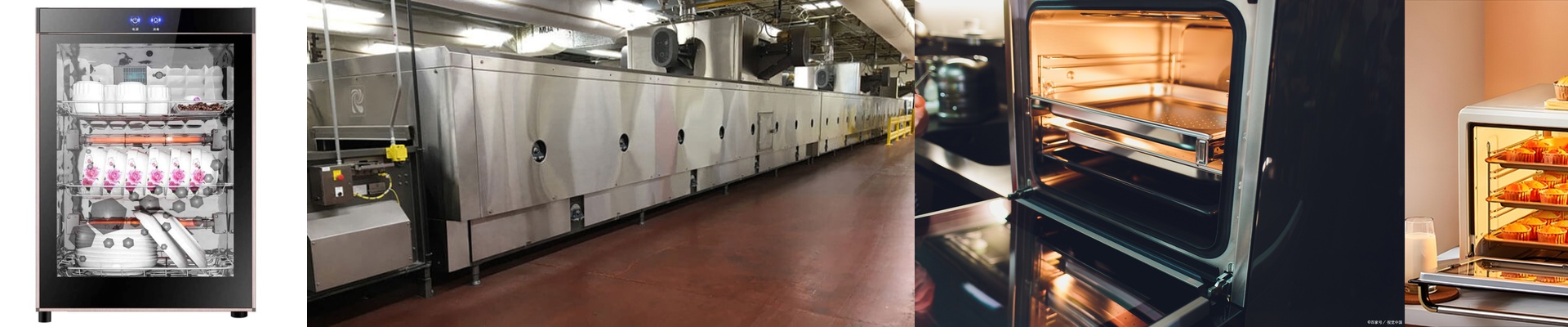
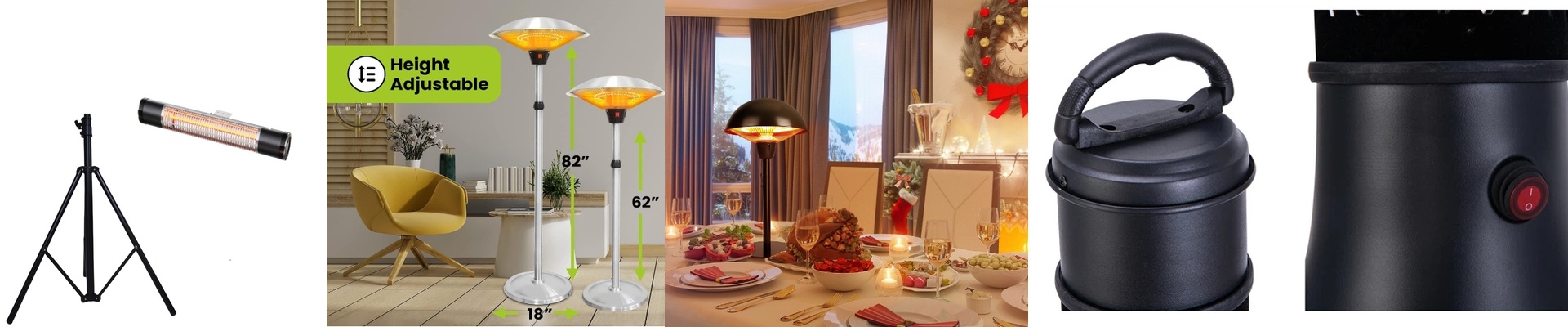
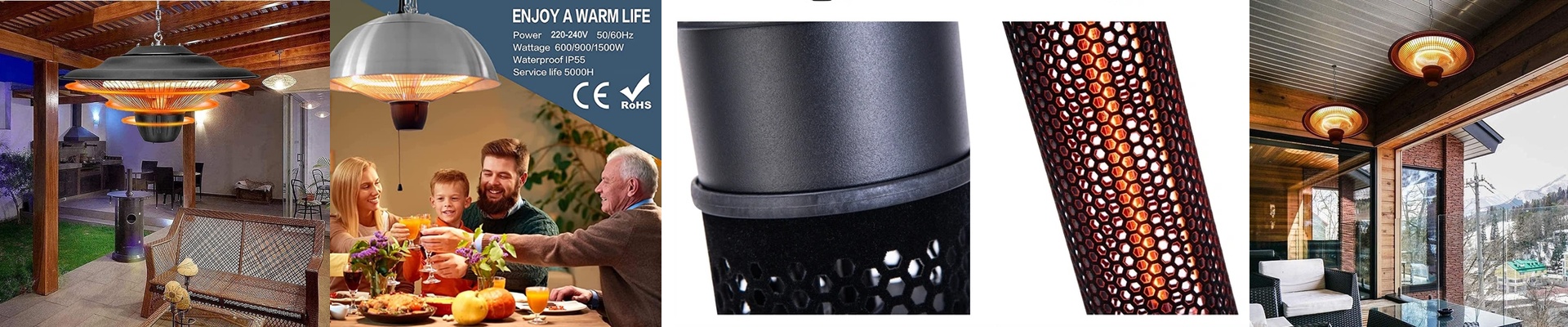
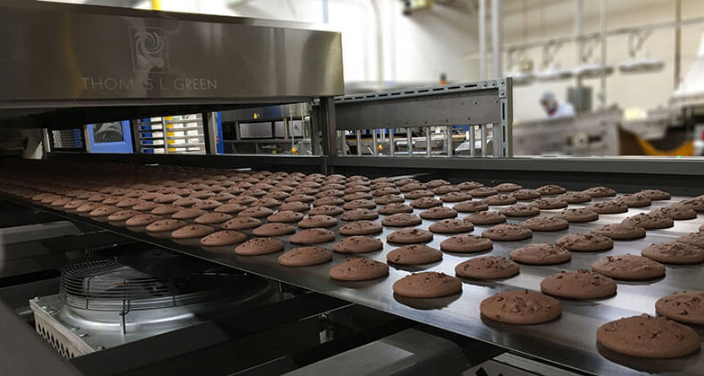
When the pass is live, your holding cabinets and deck ovens need heat that just sits there—steady, predictable, not chasing spikes and dips that dry food out or leave cold spots. The Ruby food warmer thermal element was built for that pressure, giving you repeatable temperature control so every plate leaves the window the same way.
What actually matters, under the hood
The Ruby element is built around a high-inertia heating core paired with a dense, ruby-infused radiant emitter. In real life, that translates to faster recovery after the door swings open, and way less temperature swing when you load in cold pans. You get tight stability within ±2°C across the holding zone, and the heat spread is even—so pans on the top rail and bottom rail behave the same. The response is quick, typically under 60 seconds from cold start to setpoint, so you can bring the equipment up fast for breakfast rush or late-night service. It’s rated for continuous duty, with solid terminals and a mounting bracket that’s meant to survive repeated cleaning and high-cycle service.
Why it holds up in a working kitchen
This element makes sense where the work actually happens: holding stations that run for hours, deck ovens used for finishing, and warming cabinets that carry prep through service windows. The stable heat profile protects moisture and texture—sauce stays together, proteins don’t overcook, and bread stays fresh longer. Fast recovery cuts the time between “needs heat” and “ready to serve,” which helps keep tickets moving and lines shorter. And because the element hits setpoint quickly and then holds it without overshooting, you end up using less energy.
The practical details you’ll want to get right
Installation is straightforward, but clearance matters. Check cabinet dimensions and airflow around the element so you don’t cook nearby surfaces and create hot spots. Match the voltage and thermostat interface to what you already have. If your unit is running an older thermostat, upgrading to a PID controller will let you take full advantage of the element’s stability. Plan on routine inspection and cleaning. Grease and food debris buildup can hurt performance and shorten lifespan, especially in high-volume spots.