Getting that Perfect Crust: Why Clear Quartz Elements Actually Work
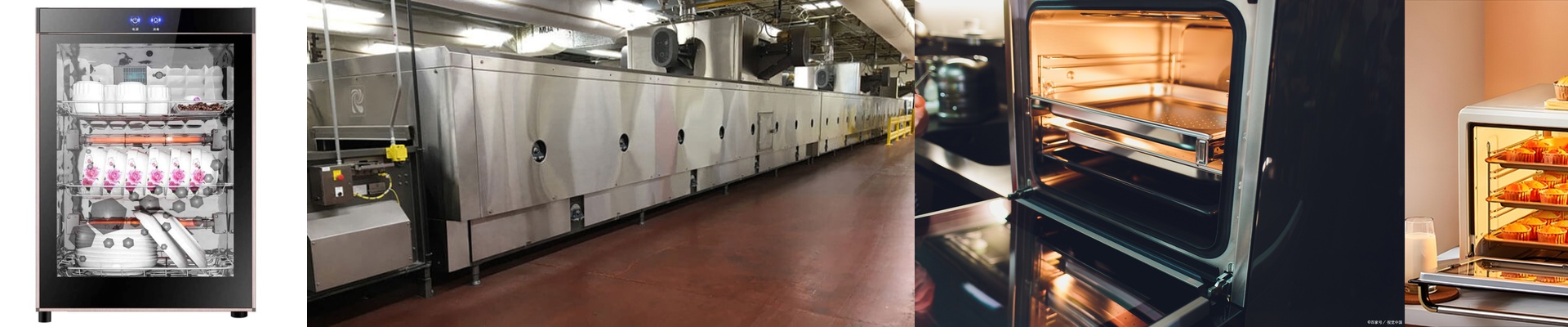
Ever had a dish where the outside is burnt to a crisp but the middle is still cold? It’s a nightmare. The secret to avoiding that—and getting that gorgeous, golden-brown caramelization—is all about how fast the heat moves. That’s why we stick with clear quartz heating elements in our restaurant ovens. They use short-wave infrared radiation, which is just a fancy way of saying the heat hits your food instantly. You don’t have to sit around waiting for the whole oven to warm up. It’s just… on. Control that actually works To get sugars to caramelize, you need a quick, sharp hit of heat. These quartz tubes get scorching hot in seconds. When you pair them with a high-frequency PID controller, you’re basically in the driver’s seat. You can tweak the heat flux second-by-second. It means you get that perfect sear on top without ruining the inside. The guts of the thing We make these out of high-purity fused quartz. Why? Because it can take a beating. You can go from room temperature to 800°C and the tube won’t crack. We keep the glass clear and skip the heavy coatings so the heat waves can get straight to the food without any interference. You’ll usually see them with R7s or Sk15 connectors. They snap in tight. In a loud, vibrating commercial kitchen, the last thing you need is a heating element wiggling loose. A few things to keep in mind These elements pack a ton of heat into a tiny space. They’re great as drop-in replacements for most high-end salamanders or toaster ovens. But here’s the catch: they radiate heat aggressively. You’ve got to make sure your oven chassis has serious insulation. If the outer housing isn’t built to handle that reflected heat, your metal panels might start to warp over time. Also, keep your airflow paths open. If the air can’t move, you risk frying your control board.