
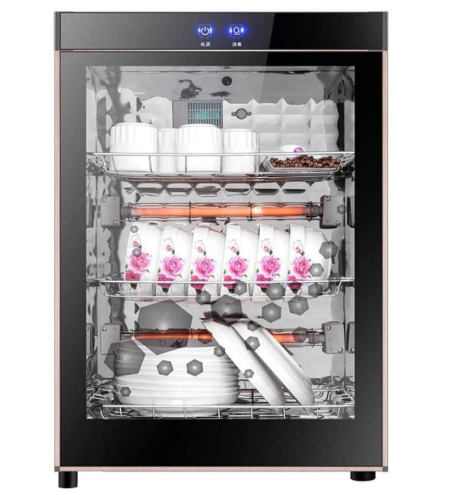
Getting Heat Everywhere: The Secret to Better Rotary Ovens
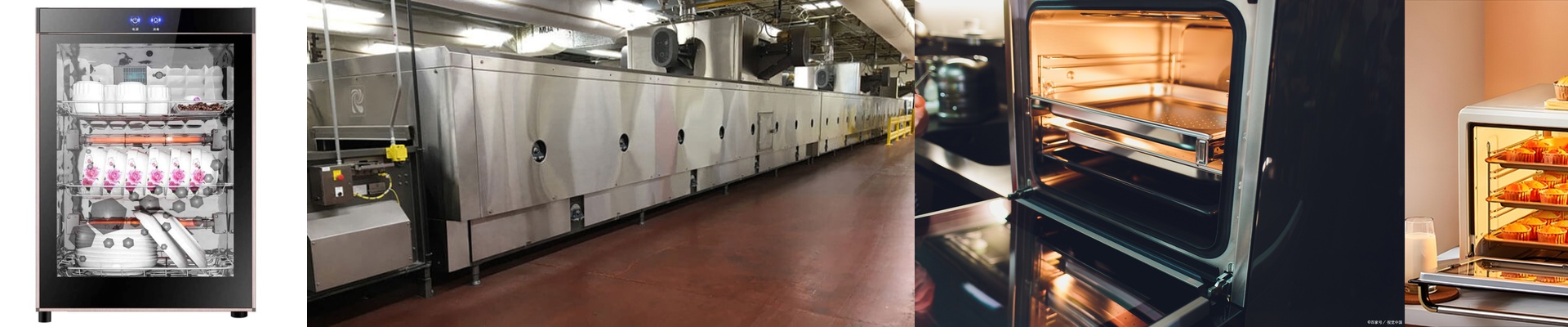
Standard convection is fine, but air only gets you so far. If you’ve ever pulled a tray out of an oven only to find the middle is still cold or the bottoms are pale, you know exactly what I mean. That’s why we use Ruby IR emitters. Think of them as the bridge between just blowing hot air around and actually hitting the food with direct energy. The goal is simple: kill the cold spots.
How Ruby IR Actually Works
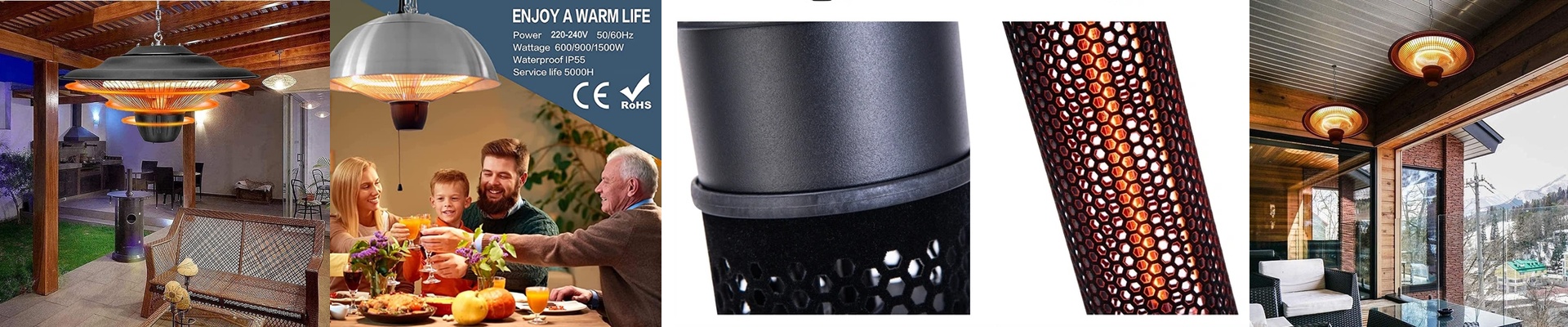
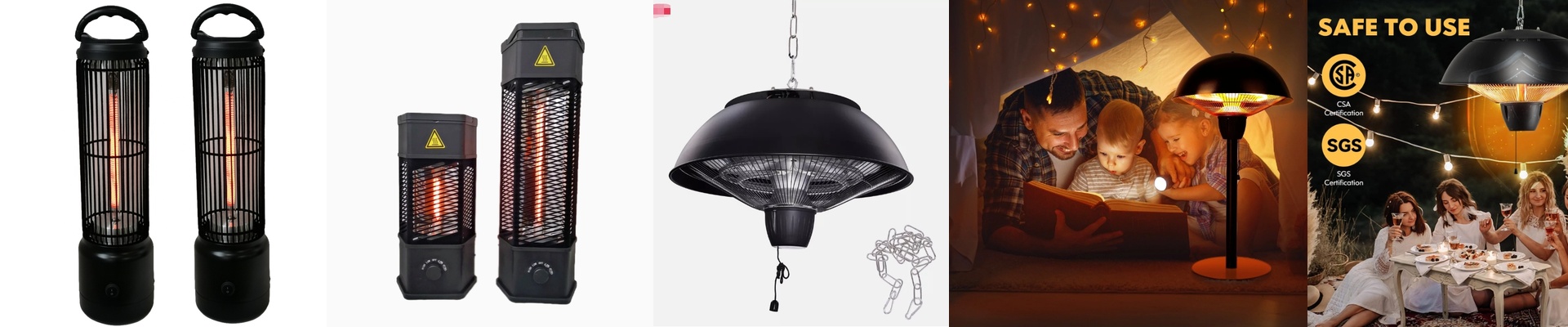
Here is the thing about Ruby lamps—they use shortwave radiation. Most heaters waste time warming up the air first, but these go straight for the food. It’s an immediate thermal hit. When you put a rotating rack in front of a fixed set of these emitters, the product just swims through a constant stream of photons. We call it a “thermal envelope,” but basically, it just means the food is wrapped in heat.
No More “Bottom-Cold” Syndrome
The biggest headache with rotary ovens is shadowing. The food literally blocks the heat from reaching itself. We fix this by getting creative with where the lamps go. We don’t just put them on top; we line the side walls too. As the rack spins, the Ruby lamps hit the product from every possible angle. Plus, we use quartz envelopes. It keeps the heat moving freely so the lamp housing doesn’t choke the energy before it hits the food.
The Catch (Because there’s always one)
I won’t tell you high-intensity IR is a magic fix. It’s powerful. Maybe too powerful. If you aren’t careful, you’ll torch the outside of your product before the center even wakes up. It’s a balancing act between the IR wattage and your fan speed. Too little air? You get burnt crust. Too much air? You strip away the heat and waste energy. The trick is to set up your PID controllers to watch the actual surface of the food with probes, rather than just guessing based on the air temperature in the room. It’s the only way to get it right.