

Getting More Out of Your Sacmi SBF 12/24
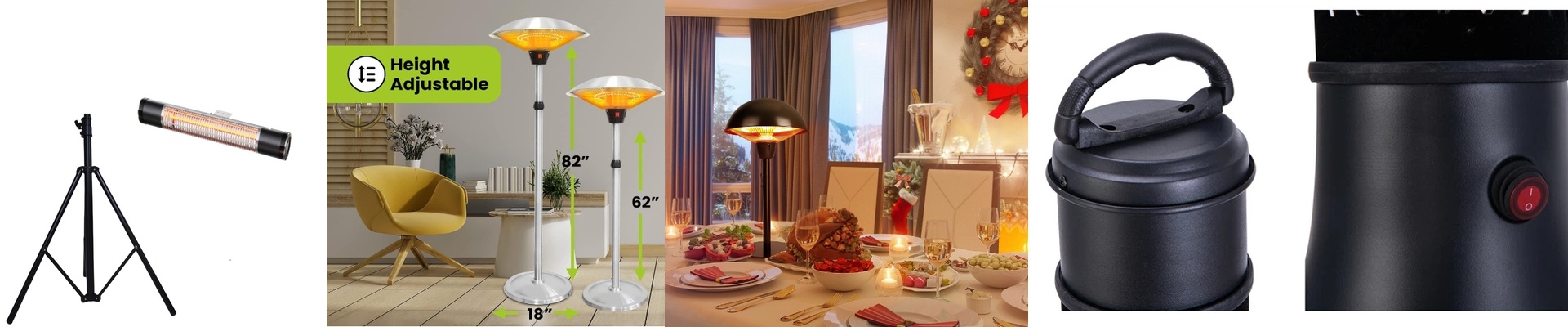
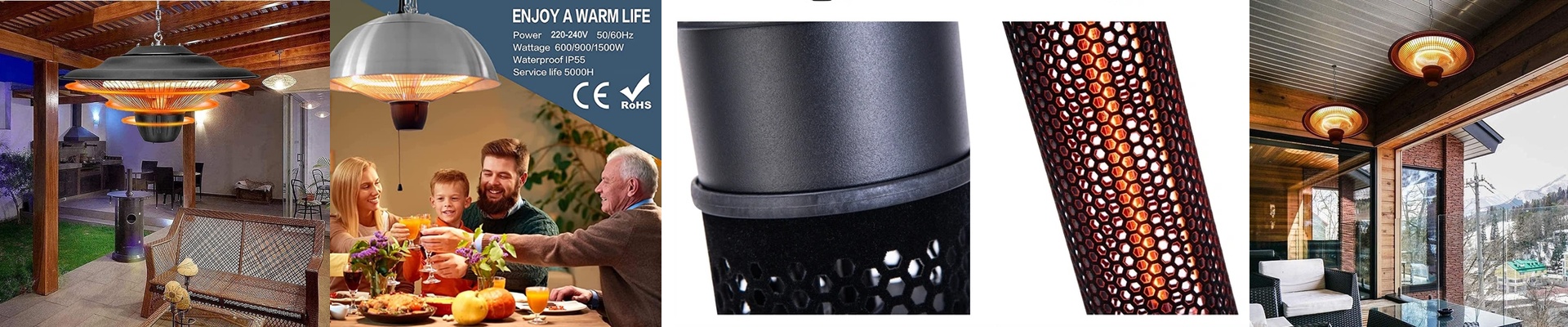
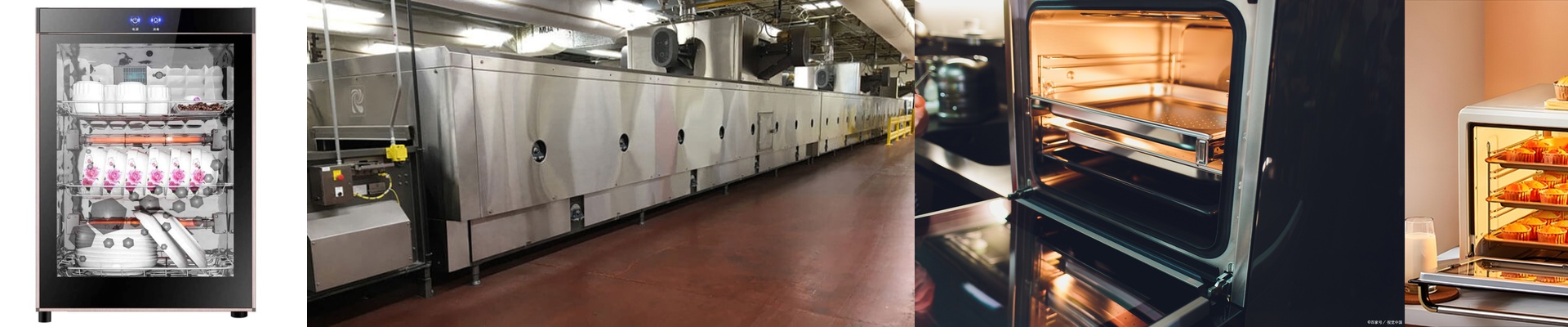
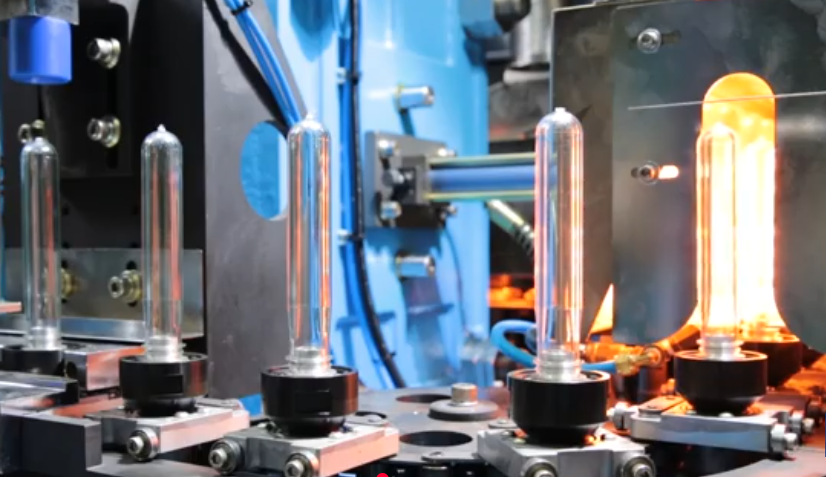
If you’re running an older Sacmi SBF 12/24, you’ve probably noticed your cycle times aren’t what they used to be. It’s frustrating. You start wondering if it’s time to drop a huge amount of cash on a brand-new machine. But before you do that, take a look at your heating profile. Most of the time, the bottleneck isn’t the machine itself—it’s just the lamps. Swapping out those tired, low-spec bulbs for precision infrared elements can seriously bump up your output without you having to move a single piece of equipment on your floor. The secret is in the heat density. For the SBF 12/24, it all comes down to how fast the PET preform hits that “sweet spot” temperature. We lean heavily on shortwave infrared. Why? Because shortwave radiation punches through the PET wall deeper and faster than the medium-wave stuff. When you go with a higher-wattage replacement, you’re basically cranking up the heat flux. This means you can speed up the conveyor and still get a bottle with a consistent wall thickness. It just works. What’s actually inside these lamps? We use heavy-wall quartz glass. It’s tough. It keeps the tubes from bowing when things get incredibly hot. Inside, we use halogen gas to keep the filament temperature in check. This stops the tungsten from evaporating too fast, which is why you don’t see those annoying black spots forming at the ends of the lamps. The best part? They’re drop-in replacements. If you’re used to R7s or Sk15 connectors, you’re all set. You wire them up exactly like the OEM parts, but the light they put out is specifically tuned for PET. A quick word of caution. More heat isn’t a magic button. If you jump to a much higher wattage to chase faster production, your oven’s ventilation is going to feel it. Keep a close eye on your cooling fans. If the oven can’t push out that extra ambient heat, you might fry some electrical components or—even worse—end up with “pearls” in your PET. It’s a balancing act. You want the heat to be aggressive, but you need the cooling to keep up so you aren’t just creating a pile of scrap.