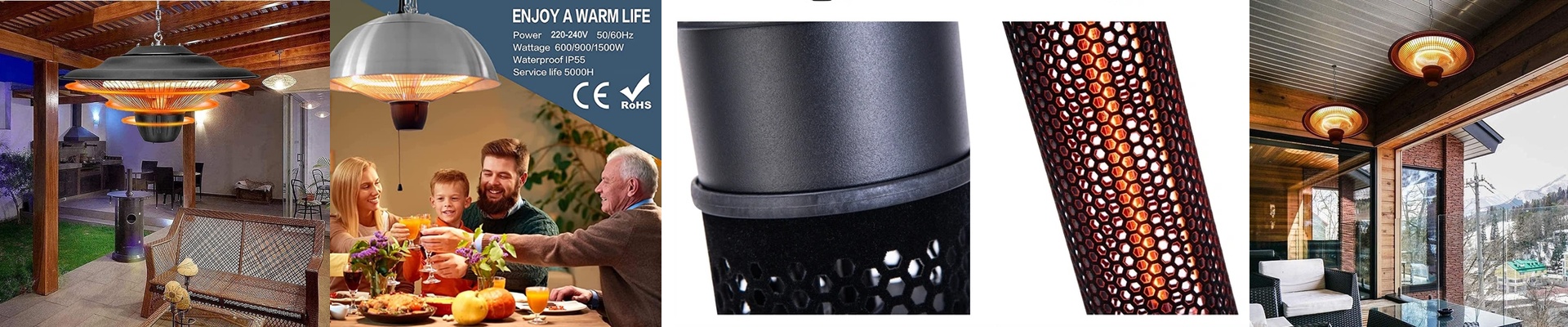
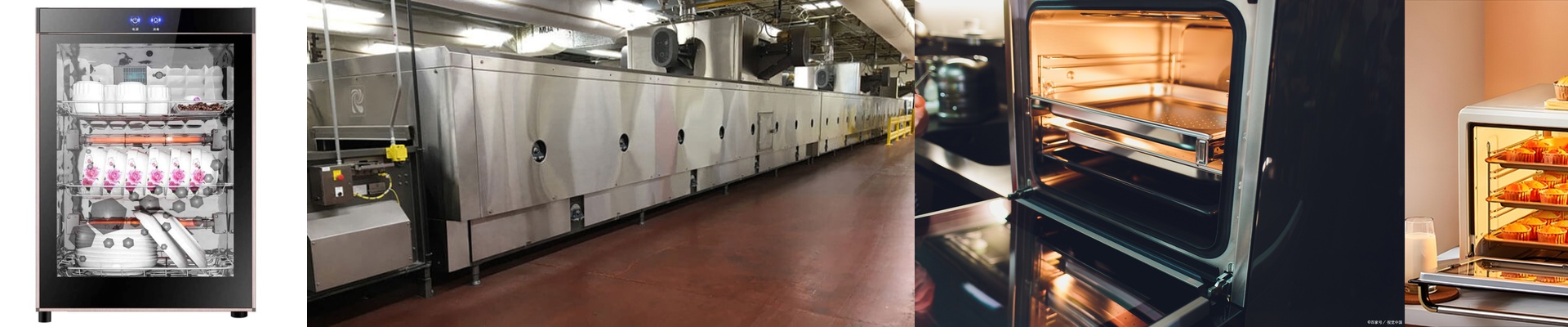
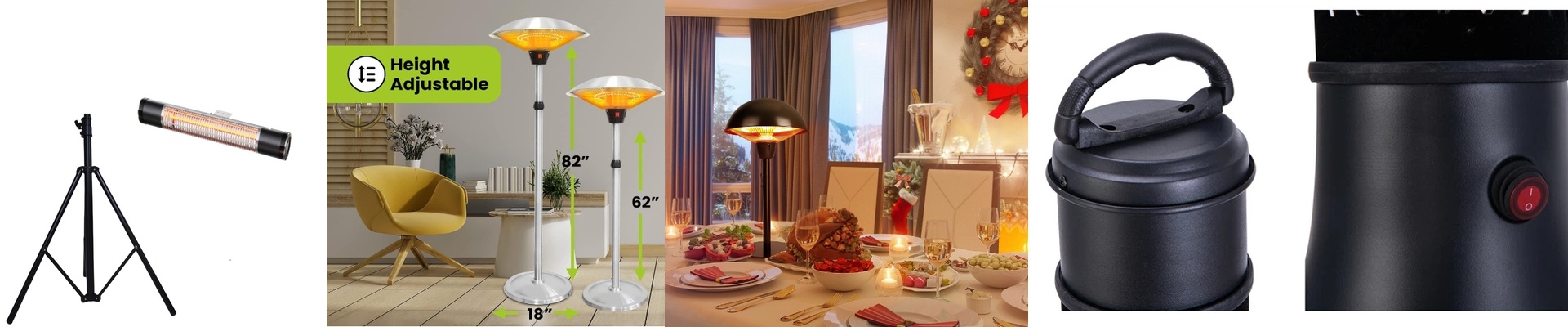


There is nothing more frustrating than pulling a tray of bread out of an industrial oven only to find a disaster. One side is charred black, but the center is still raw dough. It’s a waste of ingredients, a waste of time, and a total headache. The problem is usually the heat. Most ovens try to warm up the air first, but air is honestly pretty bad at moving heat around. That’s why we ditched the old convection fans and resistive coils for ceramic infrared heaters. Here is why that actually matters. Instead of waiting for the air to get hot, infrared energy travels in a straight line. It hits the dough directly. We arrange these heaters in a specific pattern so there are no “cold spots” left behind. You just get a steady, even bake across the whole tray. We use high-alumina ceramic to house the filaments because it can take a beating. You can blast it with heat and then cool it down without the housing cracking. But the real win is the speed. These elements don’t have the heavy bulk of cast-iron plates, so they heat up in seconds. If your sensors pick up a temperature drop, the heaters react instantly to fix it. No more waiting around for the oven to “catch up.” Now, you can’t just toss these into an old oven and call it a day. You have to be smart about where they go. If you don’t map out the overlap correctly, you’ll end up with gaps in your coverage. And a word of caution: infrared heat is powerful. If the elements are too close to the bread, you’ll sear the surface before the inside is done. I always recommend using adjustable mounting brackets so you can dial in the distance. One last thing—check your electrical panels. These heaters pull a lot of power during a cold start. Make sure your wiring is up to the task, or you’re going to blow a terminal.