
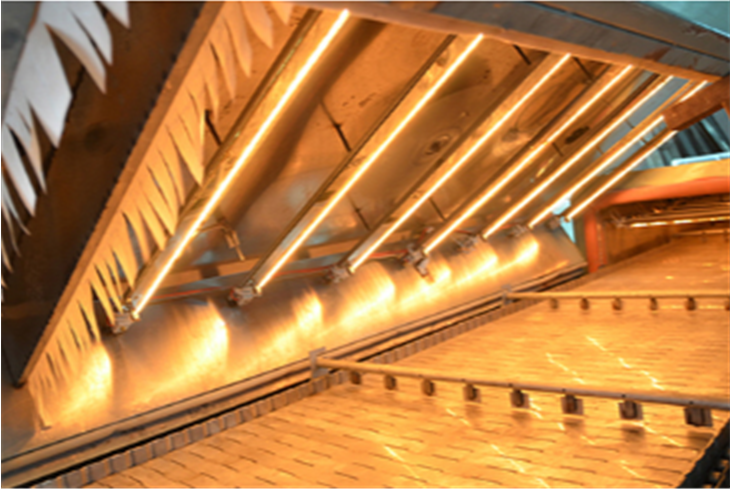
Picking the Right Quartz Heating Tubes for Your Oven
Let’s be honest: paying those OEM prices for replacement heating elements is a gut-punch. Especially when you’re dealing with imported stainless steel ovens. You’ll see plenty of “budget” tubes online that look like a perfect fit. But here’s the trap. If you just grab the cheapest one without double-checking the specs, you’re probably just buying a ticket to a premature burnout or a bunch of cold spots in your oven.
Why Quartz actually matters
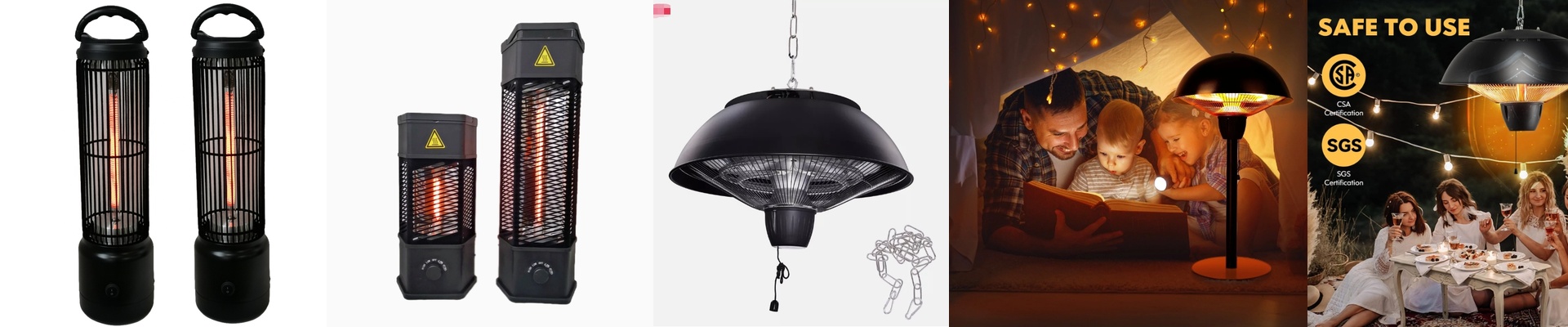
Basically, we use high-purity quartz glass to wrap the heating filament. Why? Because standard glass would just shatter the moment things got hot. In a convection oven, that fan is constantly pushing air right across the tube. It helps things cook faster, sure, but it also puts a lot of pressure on the glass. If the quartz is low-grade or the walls are too thin, that airflow creates stress points. One day you’ll turn it on, and snap—the glass cracks.
How to actually spec a replacement
Don’t just measure the length and call it a day. That’s how mistakes happen. You’ve got to look at the voltage and wattage density. If you plug a 230V tube into a 110V system (or the other way around), you’re asking for trouble. And please,**check your connectors.**Whether you’re using R7s or SK15 bases, they need to be snug. A loose connection isn’t just “not ideal”—it creates arcs. Those little sparks will melt your socket and kill the tube in no time. One last tip: keep an eye on the wattage per centimeter. If you try to cram too many watts into a short tube, the filament gets way too hot and just snaps.
The reality of using them
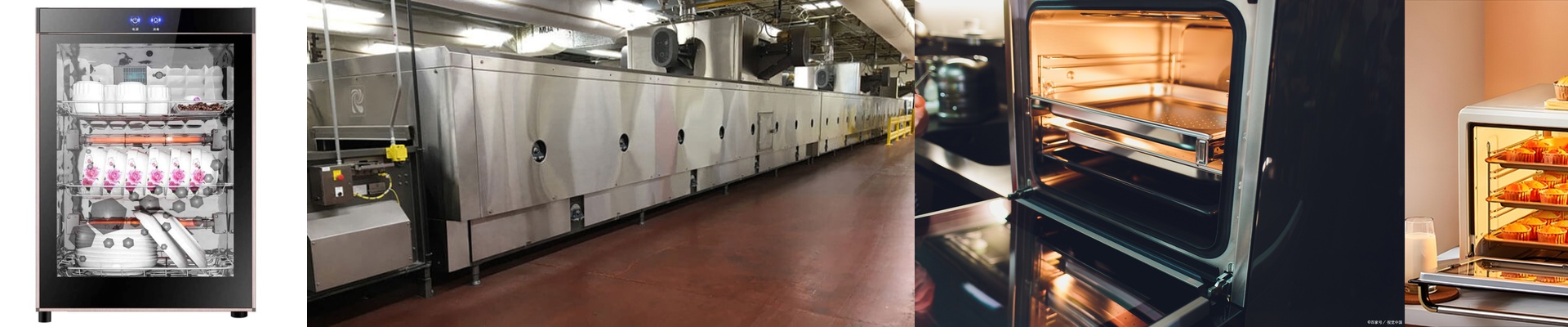
The good news is that stainless steel oven walls reflect infrared radiation. Quartz tubes love this. It’s why your food heats up so quickly. The downside? Quartz is fragile. If your staff is a bit too aggressive with the scrubbing brushes during cleaning, those tubes will shatter. Also, a quick warning about your control board. If you decide to upgrade to a higher-wattage tube to shave a few minutes off your bake time, you’re putting more stress on your relays. Make sure you aren’t running them at 90% capacity. Give your hardware some breathing room so you don’t end up melting your electronics.