
Why our oven lamps actually fit your machine
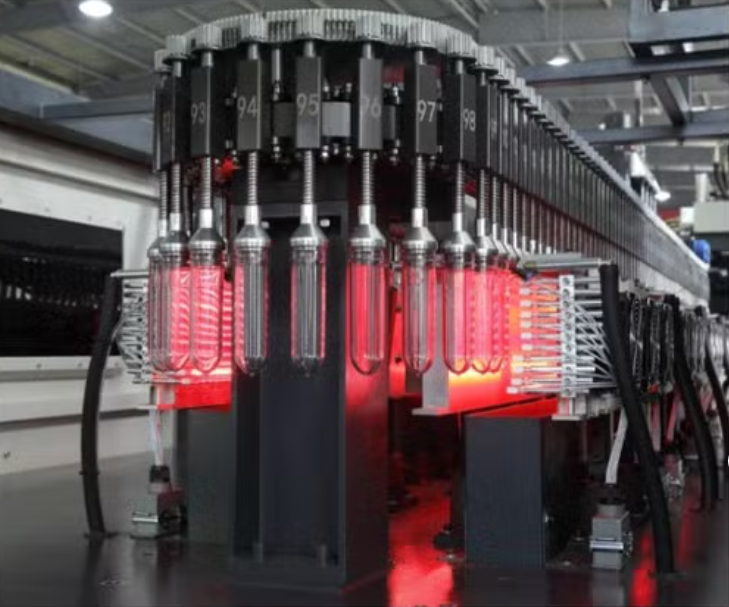
If you run a PET blow molding setup, you know the drill. A lamp burns out, and suddenly you’re staring at a dead line. The last thing you want is to be held hostage by an OEM supplier, waiting weeks for a “proprietary” part that costs three times what it should. That’s why we built our lamps to be simple drop-in replacements. They work with about 95% of the gear out there. We didn’t do this by magic—we just focused on the three things that actually matter: the power, the heat, and the fit. Let’s talk power. It all starts with the voltage. We make lamps that cover the usual industrial range, from 220V to 400V. Now, here is the thing: if you try to jam a 220V lamp into a 400V circuit, it’s going to pop. Immediately. That’s why we’re obsessive about our filament specs. We make sure they can handle the load so you aren’t replacing bulbs every other Tuesday. And if you need those fast cycle times, the 400V tubes are your best bet—they pack more heat into a shorter space. The science part (but kept simple) We use high-purity quartz glass. Why? Because we want the infrared heat to go straight into the PET material, not get trapped inside the tube itself. We also use a halogen cycle. Without it, tungsten builds up on the inside of the glass, making it cloudy and weak. Our lamps stay clear. Some of them even have special coatings that push the heat toward the walls of the preform and away from the neck, which is exactly where you want it. The fit and the “catch” We stick to R7s and Sk15 connectors. They’re the industry standards for a reason. You can swap our lamps into your oven racks without having to pull out a toolkit or modify your hardware. It just clicks in. But a quick heads-up: if you go for the high-wattage lamps to speed up production, you’re pumping more heat into the oven. Make sure your cooling fans can keep up. If they can’t, you’re risking a warped oven housing. It’s a trade-off, but as long as your cooling is up to the task, you’re golden.