Stop Burning Your Bread: The Secret to Instant Heat Control
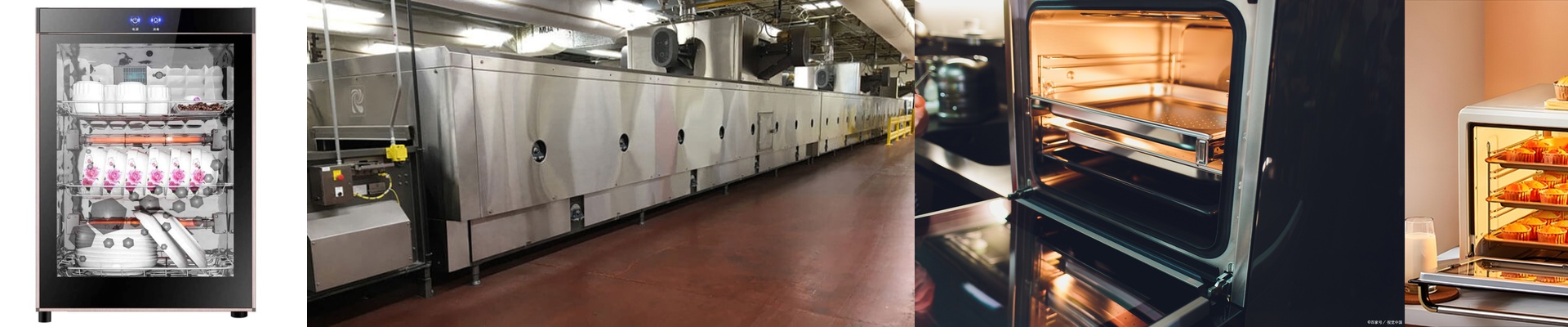
In a commercial bread oven, the window between a perfect golden crust and a burnt disaster is tiny. We’re talking seconds. That’s why we use 110V short-wave infrared lamps. Most ovens have a frustrating lag, but these just cut right through it.
Why “Thermal Inertia” is Your Enemy
Think about a standard heating element—usually a thick metal coil. To get heat, you have to heat up that entire mass of metal first. The problem? Once the controller tells it to stop, that metal stays scorching hot for a while. It keeps pumping out heat even when you don’t want it to. In the baking world, we call this “over-shoot,” and it’s exactly how you end up with ruined loaves. Our 110V infrared tubes handle things differently. They use electromagnetic radiation. The filament heats up and cools down almost instantly. When your PID controller hits the mark and cuts the power, the heat stops. Just like that. No swinging temperatures, no guessing games—just a steady, flat line.
The Nitty-Gritty on Hardware
We make these tubes out of high-purity quartz. Why? Because they have to survive the shock of switching on and off rapidly without cracking. Since they’re 110V, they fit right into most commercial setups. You can usually just swap them in without having to tear apart your electrical panel and rewire everything. But here’s the catch: these lamps are intense. They hit the surface of the bread hard. If your conveyor belt is moving too slowly, you’ll scorch the top of the loaf before the middle is even warm. You’ve got to make sure your belt speed matches the wattage of the lamps. It’s a balancing act.
Why This Actually Matters
When you aren’t fighting the residual heat of a heavy metal block, you can get your temperature tolerances incredibly tight. Less waste. More consistent batches. It just makes the whole day run smoother. If you want to get the most out of this, pair them with a fast-acting SSR (Solid State Relay). That’s how you really unlock that split-second response time.