
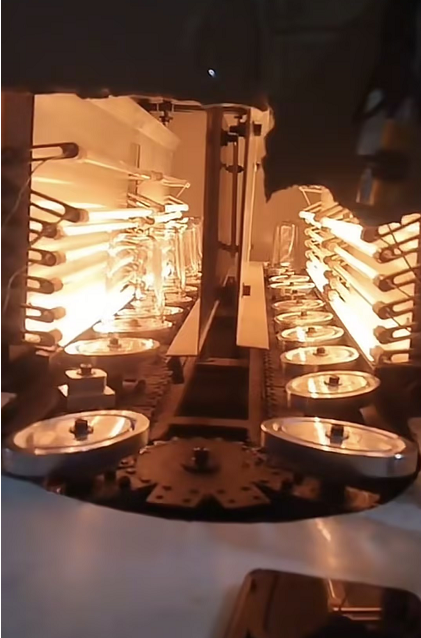
SIPA SFR 20 Rotary Blower Heater Tube: Built for the PET Blow Molding Grind
We built the SIPA SFR 20 rotary blower heater tube to bring the same rock-solid reliability we give our big-brand OEM lines right to your shop floor. This isn’t some fussy add-on. It’s a direct, drop-in heating element made for PET blow molding, engineered to handle the heat of a rotary blower day after day—without throwing in the towel.
Power, Voltage, and Size: The Details That Matter
The SFR 20 is a 2500W heater tube, rated at 400V, and sized to fit a 300mm space. That power density? It’s by design. Running at 400V lowers the current draw compared to lower-voltage systems. Less current means less stress on the conductors and contacts. It also helps keep the internal filament environment stable. And the 300mm length lines up with common blower heater zones, so you can swap it in as a direct replacement without reworking your machine.
Inside the Build: Halogen, Quartz, and the Right Connections
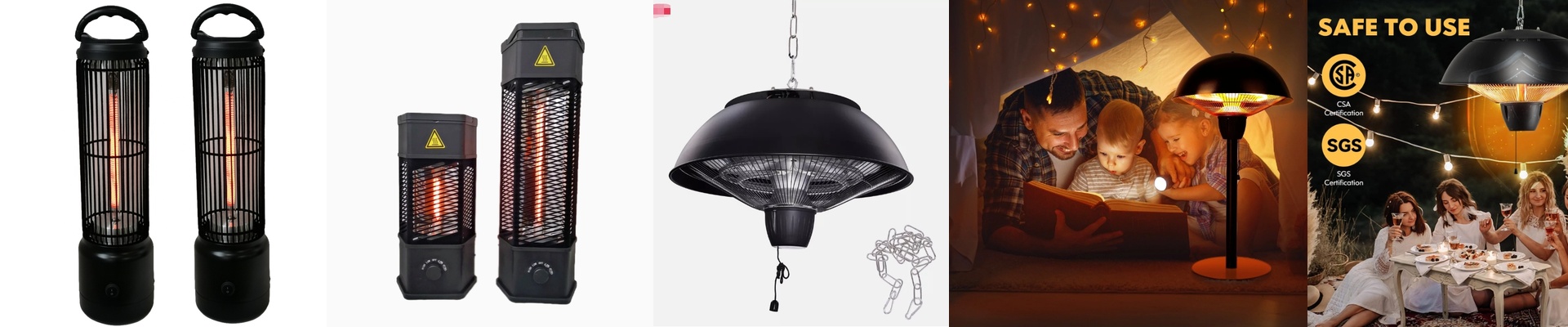
Inside, you’ve got a halogen element housed in a quartz tube. Quartz was chosen for one simple reason: it responds fast and can handle sudden temperature swings without cracking. The coating isn’t just for looks. It shields the quartz from surface contamination and helps prevent those hot spots that can lead to tube failure. Then there are the connections. The R7s connector gives you a stable, two-end fit—both mechanically and electrically. And if you’re working with tight blower assemblies, the SK15 termination option is there for high-temperature stability and a secure mount.
What It Feels Like on the Line
On a PET blow molding line, the heater tube has one job: deliver fast, even heat to keep the preform wall uniform. The SFR 20 hits operating temperature quickly. And thanks to the halogen design, it holds that consistent output through long shifts. But here’s the thing: that 2500W density means you need a properly spec’d cooling path in the blower head. If the airflow isn’t there, the tube runs hotter, and its life gets cut short. We built this to meet OEM-grade performance standards, so your line keeps running. No cutting corners on materials or tolerances. Just dependable heat, shift after shift.